Physical Address
304 North Cardinal St.
Dorchester Center, MA 02124
Physical Address
304 North Cardinal St.
Dorchester Center, MA 02124

Silk sarees have always been associated with timeless beauty and grandeur. Whether it is a wedding, festival, or a cultural celebration, silk remains the fabric of choice for Indian women. Its rich texture, luxurious sheen, and versatile appeal make it the perfect outfit for occasions where elegance matters the most. But what truly enhances the charm of silk is the way it is draped. Different silk saree draping styles not only reflect tradition but also give each region of India a unique identity. From the classic Nivi drape of Andhra Pradesh to the elaborate Madisar of Tamil Nadu, every style has a story to tell.
Here, we shall be narrating about some of the popular trending silk saree draping styles, their origin, and how to recreate.
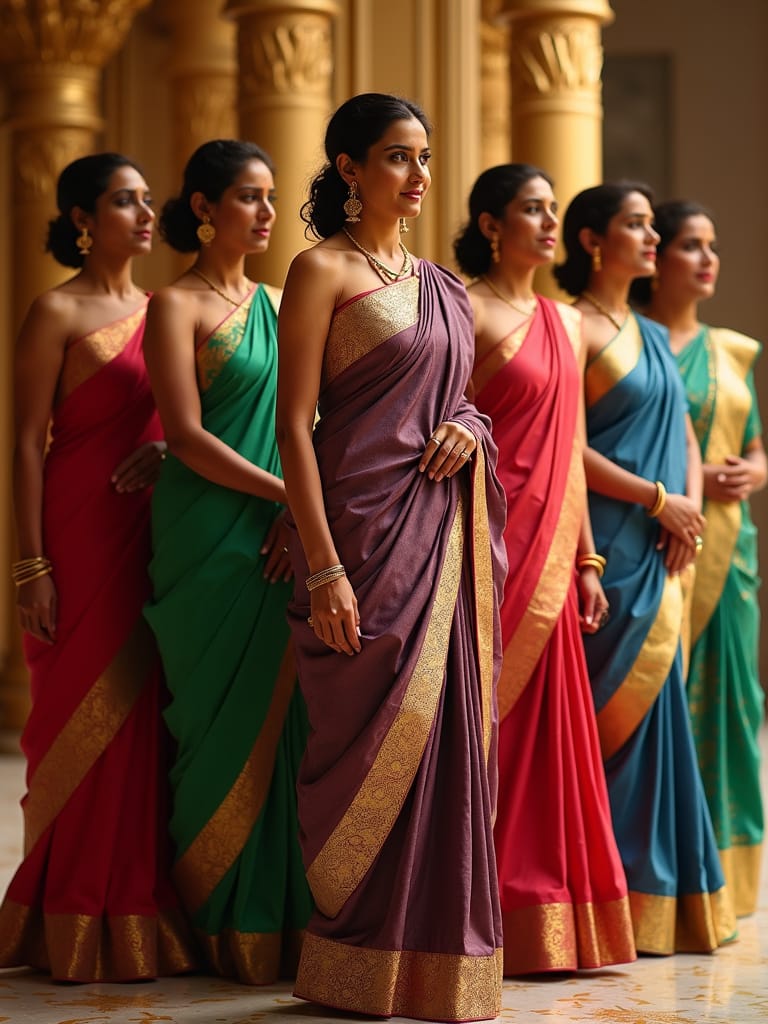
The Nivi drape is the most common saree style all over India, and silk appears absolutely royal worn thus. This way, the silk saree is pleated into the petticoat, pleats are formed at the center front, and the pallu drapes gracefully over the left shoulder. A silk saree, especially Kanjivaram or Banarasi, gets enhanced by the Nivi drape that showcases the heavy zari borders.
Why it works: Low maintenance, sophisticated for black-tie events and parties, and complementary for everyone.
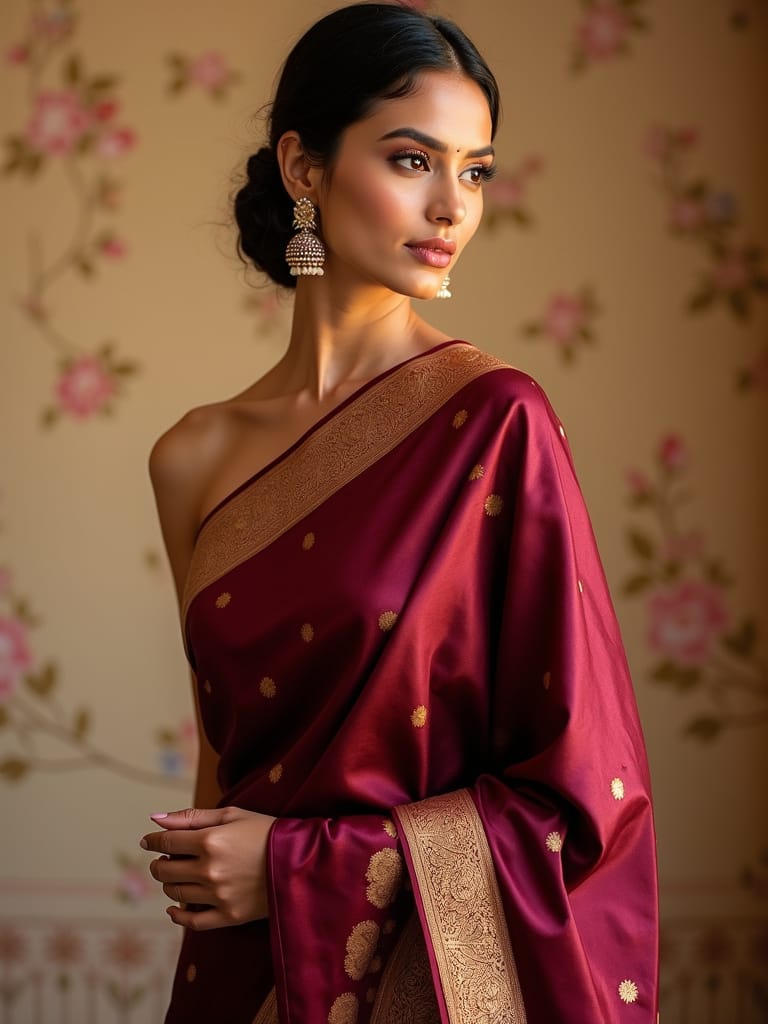
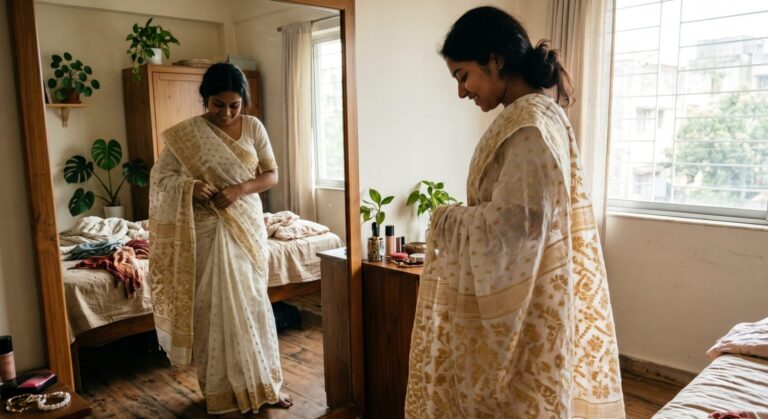
This style of draping a Bengali silk saree is quite classic and simple. Rather than pleats at the front, the saree is pinned at a long pallu drawn from the right side and slung over the shoulder once more. In many cases, a keychain or decoration is used for pining the pallu. Paired with classic red-bordered white silk sarees or heavy silk weavings, this draping is graceful.
Why it works: Best for festival seasons like Durga Puja, emphasizing the greatness of silk.
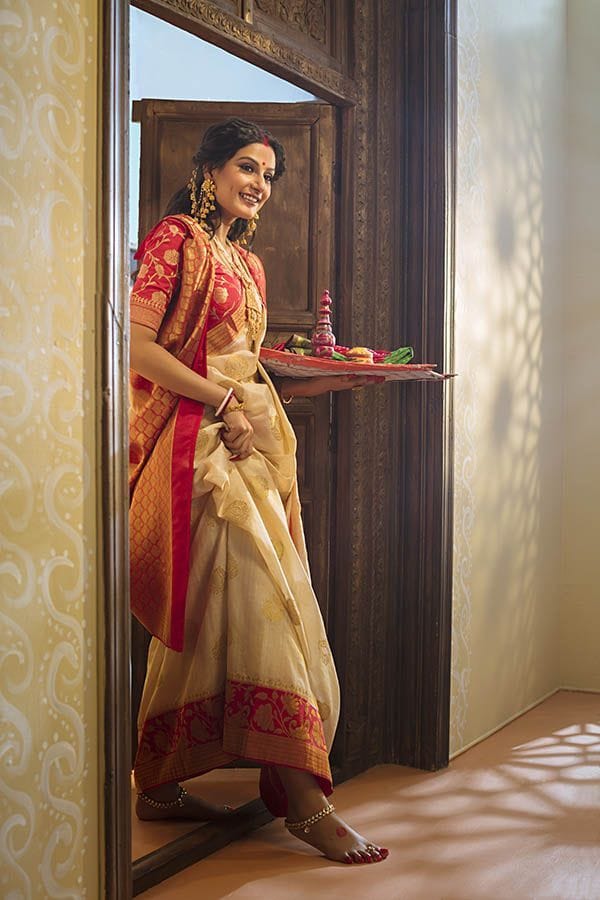
One of the most classic silk saree draping fashions is that of the Nauvari or Maharashtrian drape. The saree is always worn without petticoat and is folded in dhoti-like style for ease of movement. Pallu is worn at shoulder and is usually pinned at the rear. Silk Paithani sarees are the centerpieces of this draping style and it has a royal and classic appearance.
Why it works: Is comfortable, mobile, and has a traditional yet intimidating look.
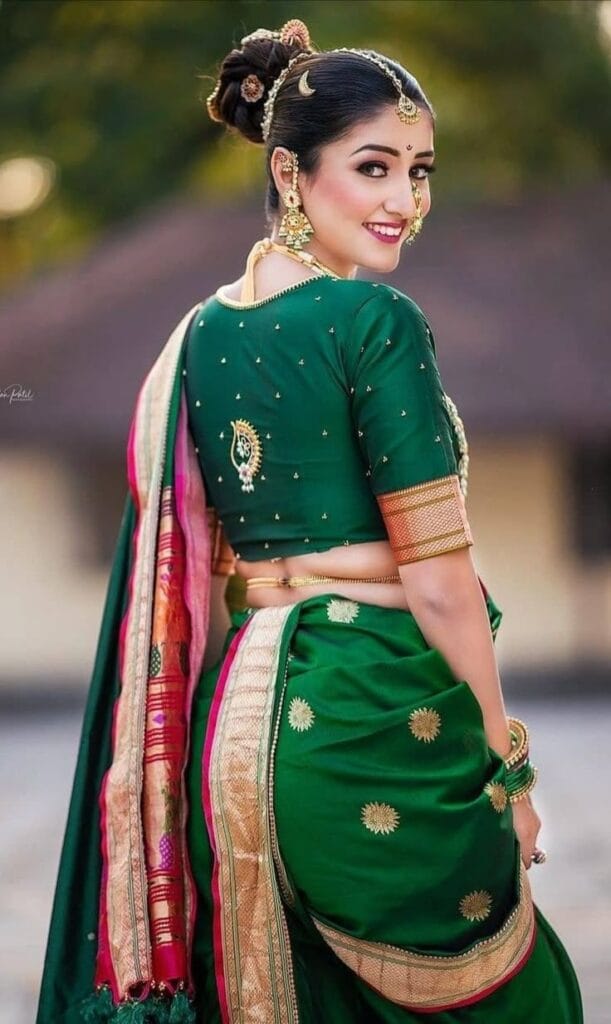
The Gujarati style silk saree draping styles are distinctive since the pallu goes to the front. Instead of maintaining the pallu at the back side, it is slung over the shoulder at the correct side and carefully arranged over the bosom. While attending weddings, especially when Patola silk sarees are used, this draping adds majesty and emphasizes the exquisite silk embroidery at the front.
Why it works: Emphasizes pallu design of a saree and it looks best for smooth silk fabrics.
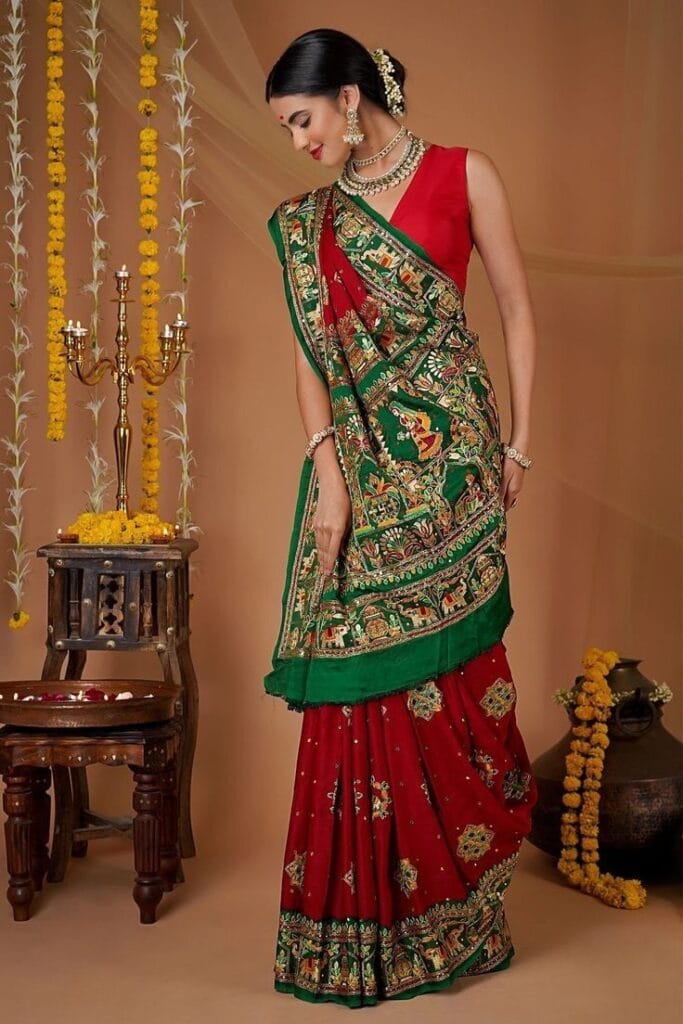
One of the most complex methods of silk saree draping styles is the Madisar, which was once worn by the conventional Tamil Brahmin women. Of a nine-yard silk saree, it is normally worn by draping some part of it as bottom pants and the rest as a conventional draping. Though complex, it plays a very significant role at cultural events and ceremonies like weddings and ceremonies.
Why it works: A heritage symbol of traditionalism and religiosity.
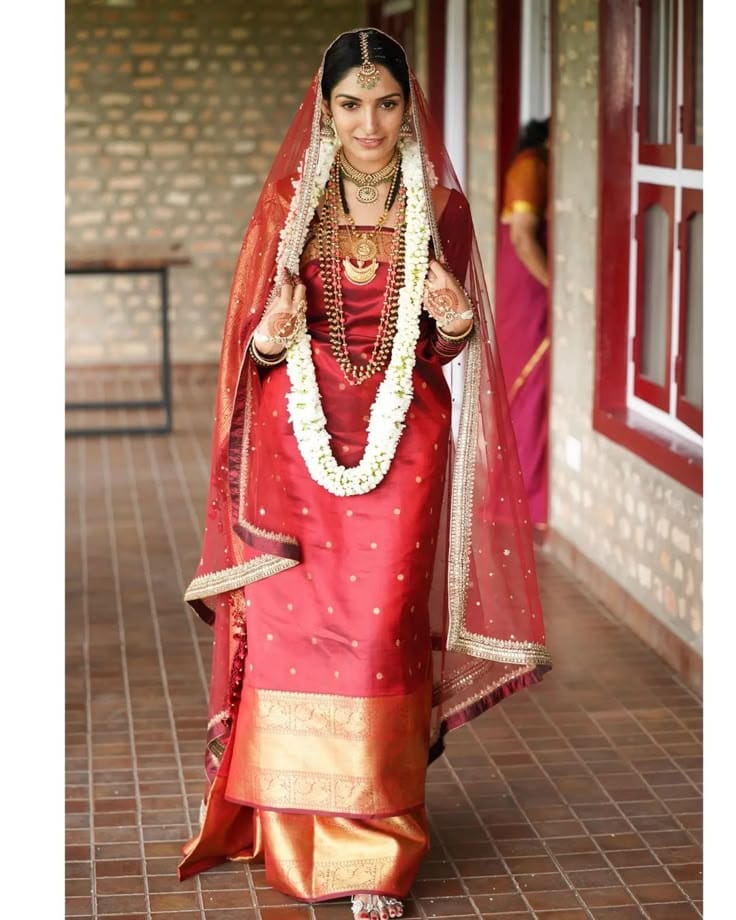
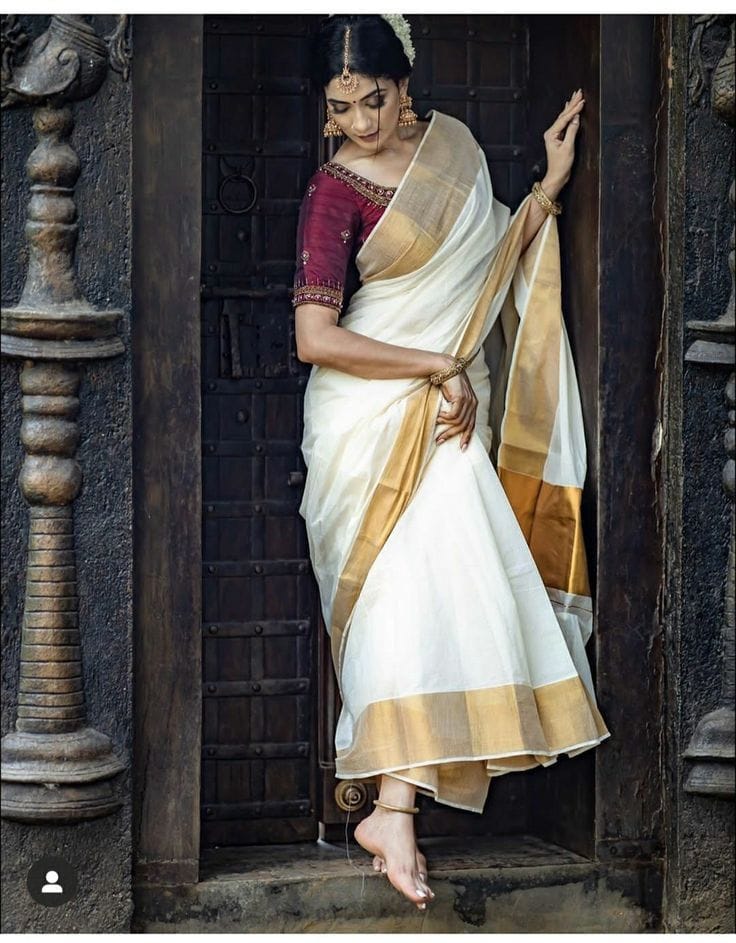
The Kerala silk saree, more commonly referred to by the name Kasavu, has magic silk saree draping styles of its own. The saree, the usual gold and ivory in colors, is draped in the traditional Nivi manner but has a unique look because it is a plain one. When paired with temple jewellery, the Kasavu saree gives a naturally elegant look.
Why it works: Most appropriate for weddings and Onam, since simplicity is valued.
Silk sarees are not just garments; they are heirlooms that carry centuries of tradition. And with the right silk saree draping styles, their elegance shines even brighter. Be it a wedding, a festive celebration, or a cultural gathering, choosing from different silk saree draping styles ensures that every look feels fresh, authentic, and deeply rooted in heritage.