Physical Address
304 North Cardinal St.
Dorchester Center, MA 02124
Physical Address
304 North Cardinal St.
Dorchester Center, MA 02124

The history of makeup techniques shows their development throughout time because makeup powders fundamentally create smooth and enduring cosmetic results. The two most frequently talked about products in this field are Baking Powder and Setting powder. The two products function as makeup setting solutions yet they serve different purposes with distinct application techniques.
The process of achieving a perfect appearance requires knowledge about how Baking Powder and Setting powder differ from each other. The guide presents their definitions together with their respective differences and practical applications through straightforward language.
Setting powder functions as a makeup product because it consists of ultra-fine powder which secures cosmetics onto the skin. Users need to apply it after foundation and concealer because it protects against smudging and creasing.
Setting powder functions by extracting surplus oil from the skin while it produces a matte effect which makes the skin appear smooth. The product can be used throughout the entire face or specifically on facial areas that tend to develop shine including the forehead and nose and chin.
Key Features of Setting Powder:
Setting powder is available in loose and pressed forms, with translucent options being the most popular.
In makeup “baking powder” does not mean kitchen baking powder. The term refers to a makeup method which uses loose powder to create strong makeup protection through the process of baking.
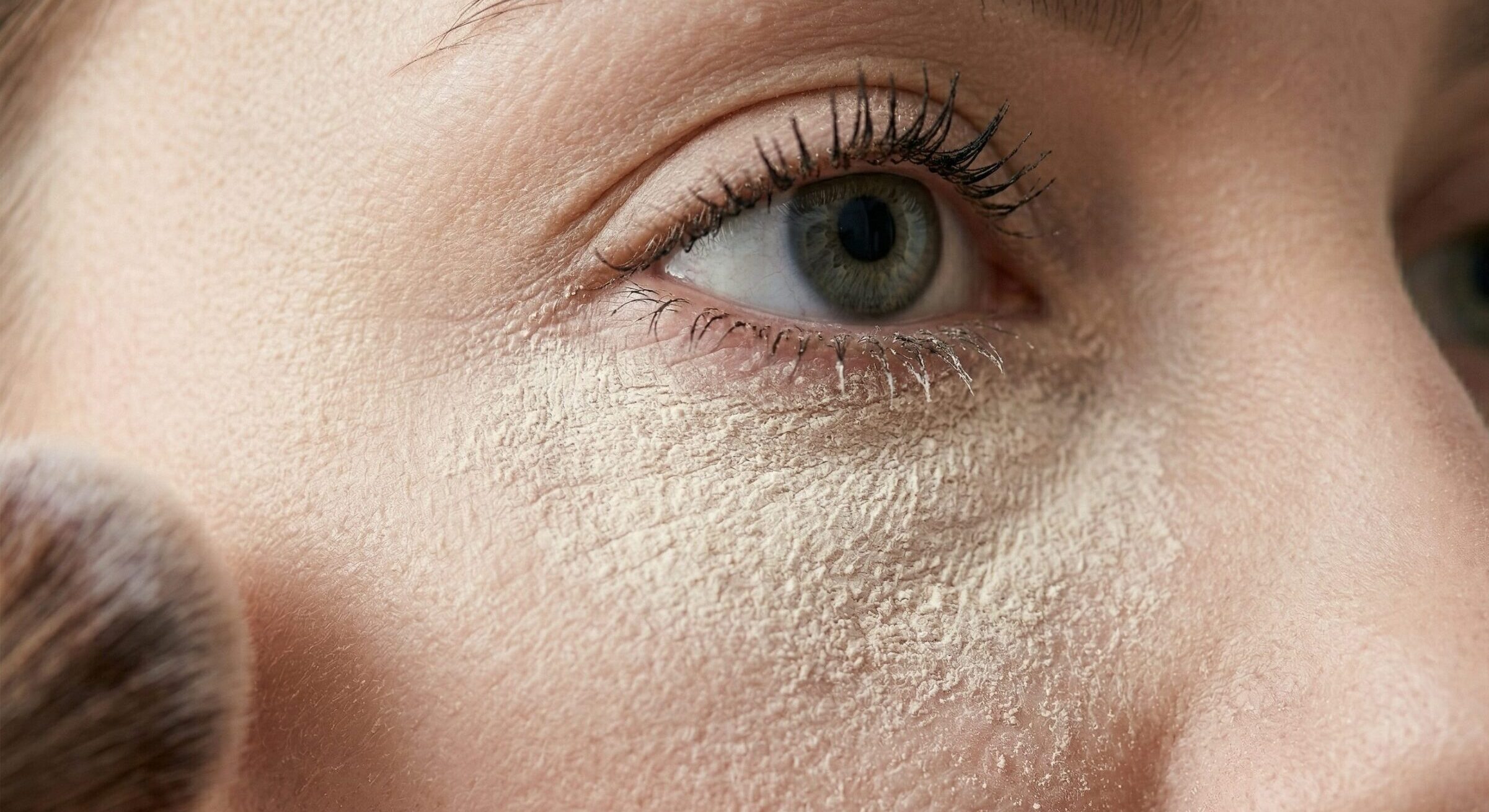
Baking requires users to put on a heavy layer of powder which they must leave on their skin for approximately 10 to 15 minutes. The heat from the face helps the makeup settle and creates a long-lasting matte finish.
Key Features of Baking:
This technique is commonly used under the eyes, on the chin, and along the jawline.
The two products, Baking Powder and Setting Powder, share a common category yet their application methods show major differences.
Makeup experts explain that baking serves to set specific areas such as under-eyes while setting powder functions as a full face application.
Daily makeup needs can use setting powder because it provides a quick effective solution which requires no extra time.
The application of excessive product will cause the face to develop a cakey appearance therefore users should apply products with a light touch.
Makeup artists recommend the baking technique for special occasions which require makeup that stays intact throughout the event.
Best Situations:
This process helps create a crease-free and smooth finish.
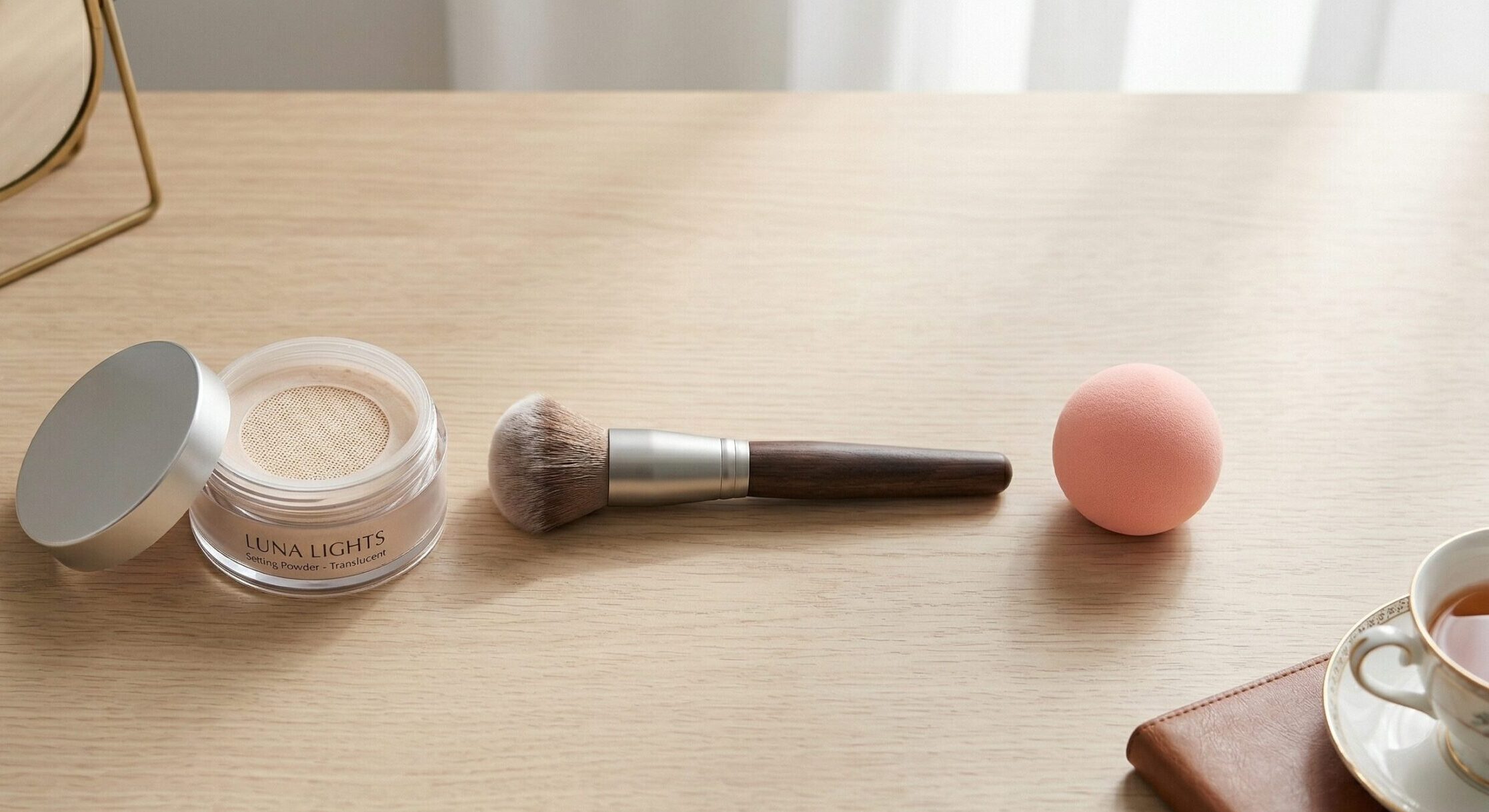
Using setting powder regularly offers several benefits:
The product serves as a necessary tool which both new users and experienced artists need.
Between Baking Powder and Setting Powder, Baking provides more dramatic and long-lasting results:
The process works for all purposes except when it needs to be used on a daily basis.
The choice between Baking Powder and Setting powder depends on both the event nature and the individual skin characteristics.
The right choice becomes achievable through understanding personal needs.
While using Baking Powder and Setting powder, certain mistakes should be avoided:
These mistakes can make makeup look heavy or uneven.
These tips improve the final makeup look.
Yes, both Baking Powder and Setting Powder can be used together for better results.
A common technique includes:
This combination provides both natural and long-lasting effects.
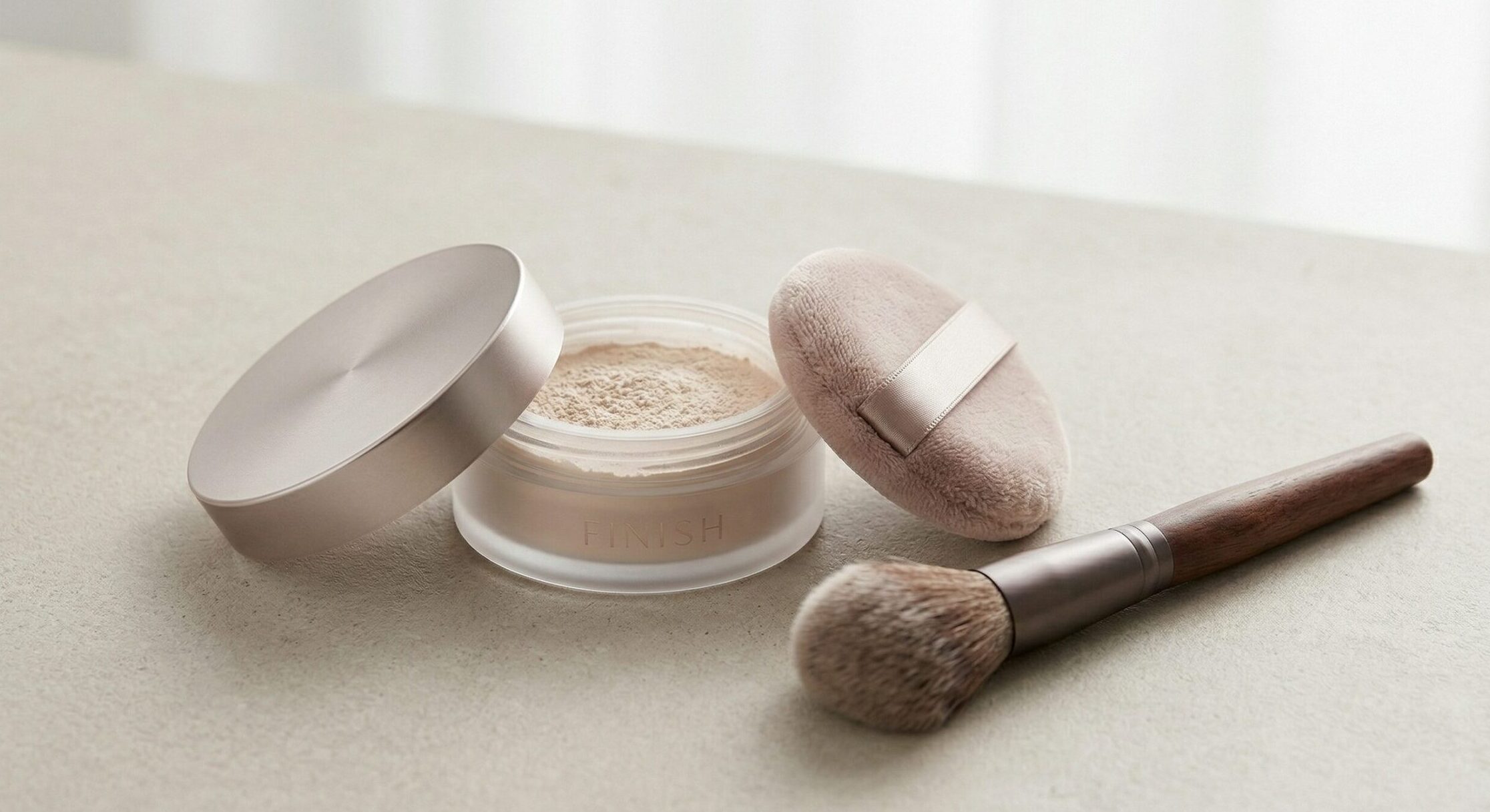
Understanding Baking Powder and Setting Powder helps in achieving a flawless makeup look. While setting powder is ideal for everyday use, baking is best suited for special occasions that require long-lasting and defined makeup.
Both techniques have their own advantages, and choosing the right one depends on individual needs, skin type, and occasion. With proper application and practice, these powders can enhance makeup results significantly.