Physical Address
304 North Cardinal St.
Dorchester Center, MA 02124
Physical Address
304 North Cardinal St.
Dorchester Center, MA 02124

The Gujarati style saree represents one of India’s most sophisticated traditional saree draping methods because it demonstrates deep cultural heritage. The saree style which originated in Gujarat has maintained its popularity through time because of its distinctive draping method and front pallu design which women throughout North India continue to use. The attire appears during weddings and Navratri and religious and festive events which enable women to achieve a royal and graceful appearance.
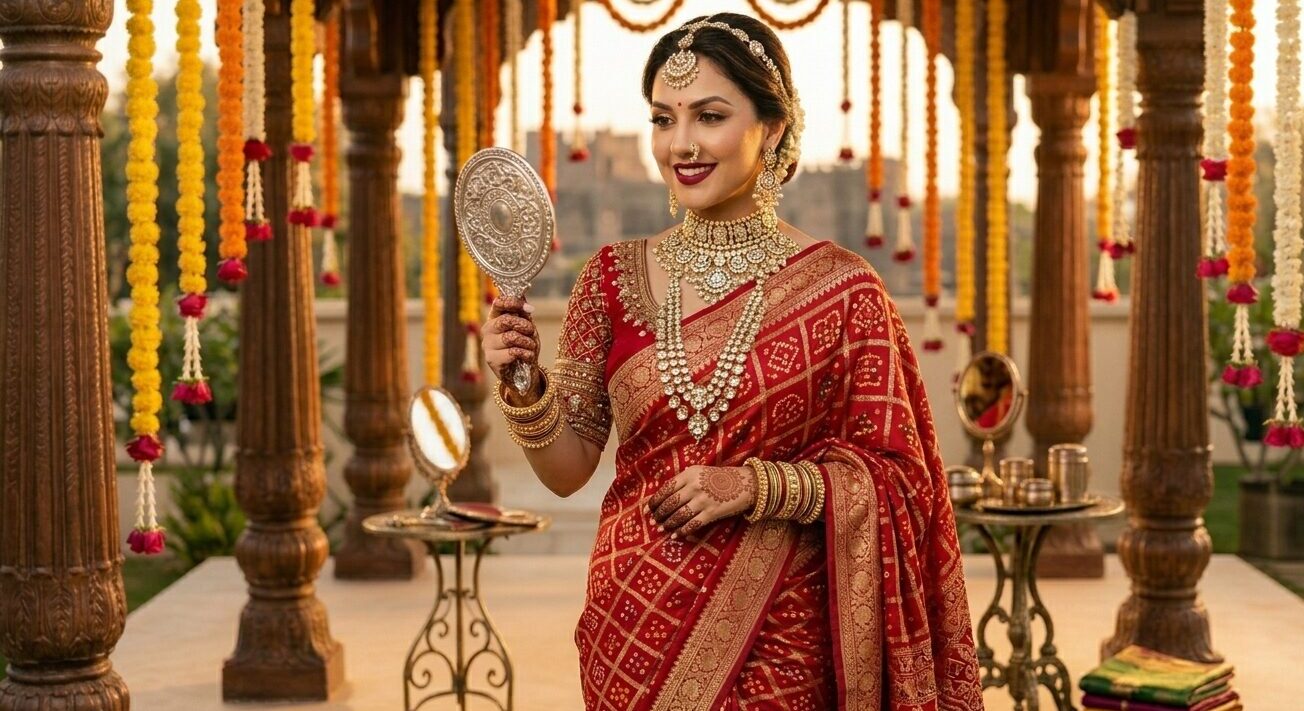
The Gujarati style saree drapes its pallu forward to show its beautiful embroidery designs which include zari and mirror and bead work while most traditional saree drapes have their pallu behind the shoulder. The particular design provides maximum attractiveness to bridal sarees and festive silk sarees and lehenga-style designer sarees.
The Seedha Pallu drape serves as the common name for the Gujarati style saree drape. The pallu design establishes a visible pattern throughout the front of the body which displays all of the saree’s most detailed designs during the whole event. The elegant appearance of this drape makes it suitable for events that feature traditional clothing and display of skilled artistry.
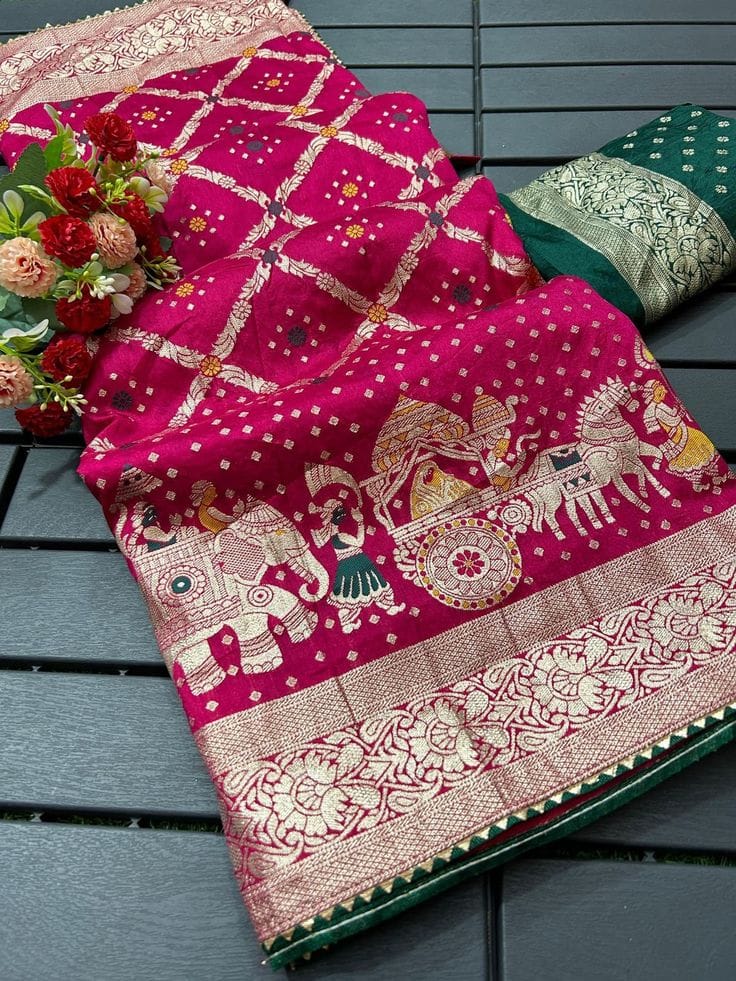
The Seedha Pallu drape which people know as the Gujarati sari style originated from the traditional communities and royal households of Gujarat. Women used to wear it because of its aesthetic value and its functional value and its ability to provide modest coverage. The front-facing pallu helped provide comfortable coverage of the upper body while still displaying the saree’s decorative work.
The practice developed into a main aspect of Gujarati culture which people used during weddings and religious ceremonies and festive events and Navratri garba evenings. The Gujarati style saree drape is used by Gujarati brides who wear heavy Banarasi Patola and Bandhani sarees because it highlights their embroidered pallu during wedding rituals.
The draping style developed into a main element of Gujarati culture which women used to display their graceful beauty and traditional heritage. The practice of teaching younger family members how to wear a Gujarati style saree for important festivals and cultural celebrations remains common among families.
What sets the Gujarati style saree apart is its unique pallu and pleating:
Front-Facing Pallu – The pallu of the saree is from the back and lies over the right shoulder and across the front.
Work and Borders – Ideal for sarees with beading, zari work, or intricate embroidery.
Seedha Pallu Drape – Gives a formal, majestic look, which is prevalent among Gujarati brides.
Best for Functions – Best for wedding, Navratri, festival, and family functions.
This drape not only highlights the craftsmanship of the saree but gives it a royal glow, making it a look which is admired even outside of Gujarat.
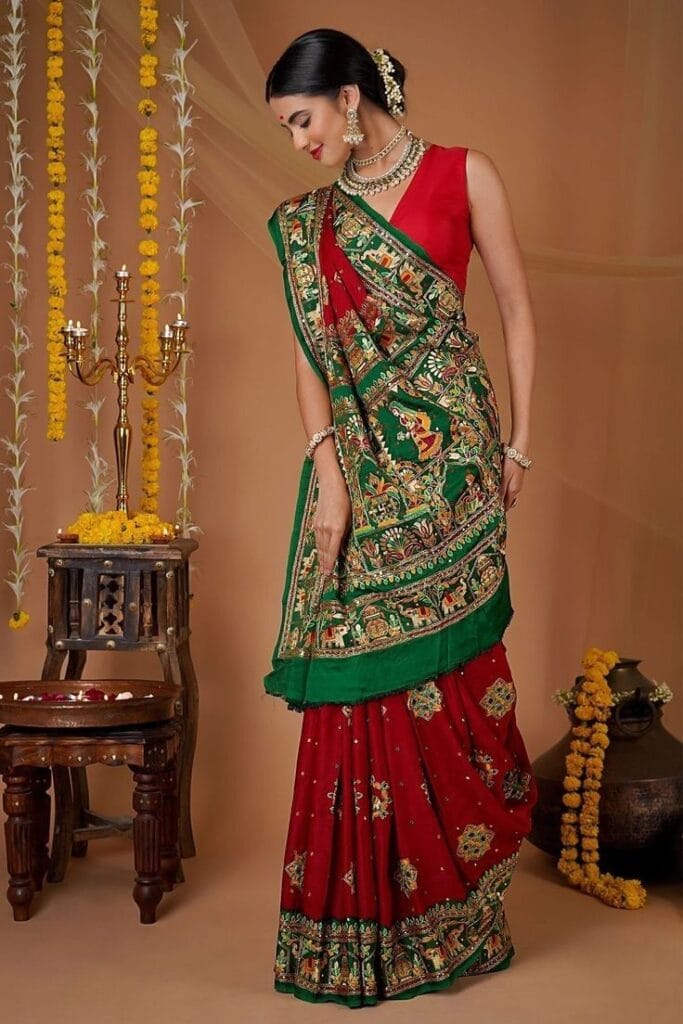
Gujarati saree draping style is elegant and surprisingly easy once mastered. Below is a simple step-by-step guide:
All sarees are not as beautiful in this style. Gujarati fashion saree goes well with fabrics and prints that show rich pallus:
Bandhani Sarees – Vibrant tie-dye sarees of Gujarat, colorful and ideal for Navratri.
Banarasi Sarees – Beautiful silk sarees with delicate zari work, ideal for weddings.
Patola Sarees – Gujarat’s double ikat textiles, very rare and very sought after.
Georgette and Chiffon Sarees – Party and contemporary occasion designer styles.
Embroidered Sarees – This drape is ideal for heavy stonework, sequins, and bead work.
Gujarati style saree appears most stunning when paired with traditional Gujarati accessories and jewels. Some of the most sought after are:
Polki Jewelry or Kundan – Provides a royal touch, especially for wedding.
Choker Necklaces – Most suitable for highlighting the neckline since the pallu is passing over the chest.
Heavy Earrings – Classic jhumkas or chandbalis will suit the clothes.
Bangles and Kada – Gold or glass bangles stacked on both the hands.
Bindis and Hair Accessories – A big bindi with a bun or braid decorated with flowers finishes the look.
Throughout Navratri, women also wear oxidized silver ornaments with Bandhani sarees, which they wear in the Gujarati style.
The Gujarati style saree is now a cultural heritage of the state. On weddings, particularly the wedding ceremony of Panetar (white border saree) or Gharchola (traditional red Bandhani saree with zari checks), the bride wears this style of saree.
Similarly, during Navratri Garba and Dandiya nights, women typically get dressed in Bandhani or silk sarees in the Gujarati style, as the flowing pallu adds beauty to the graceful dance steps.
This type of draping is also prevalent in Bollywood movies and TV serials when portraying Gujarati culture and hence is easily identified all over India.
The Gujarati style saree has become extremely popular in Indian weddings because it highlights the decorative pallu in front. Bridal sarees require special display because their intricate zari and stonework and embroidery need to be shown. The Seedha Pallu drape ensures that these artistic details remain visible throughout the ceremony and wedding photographs.
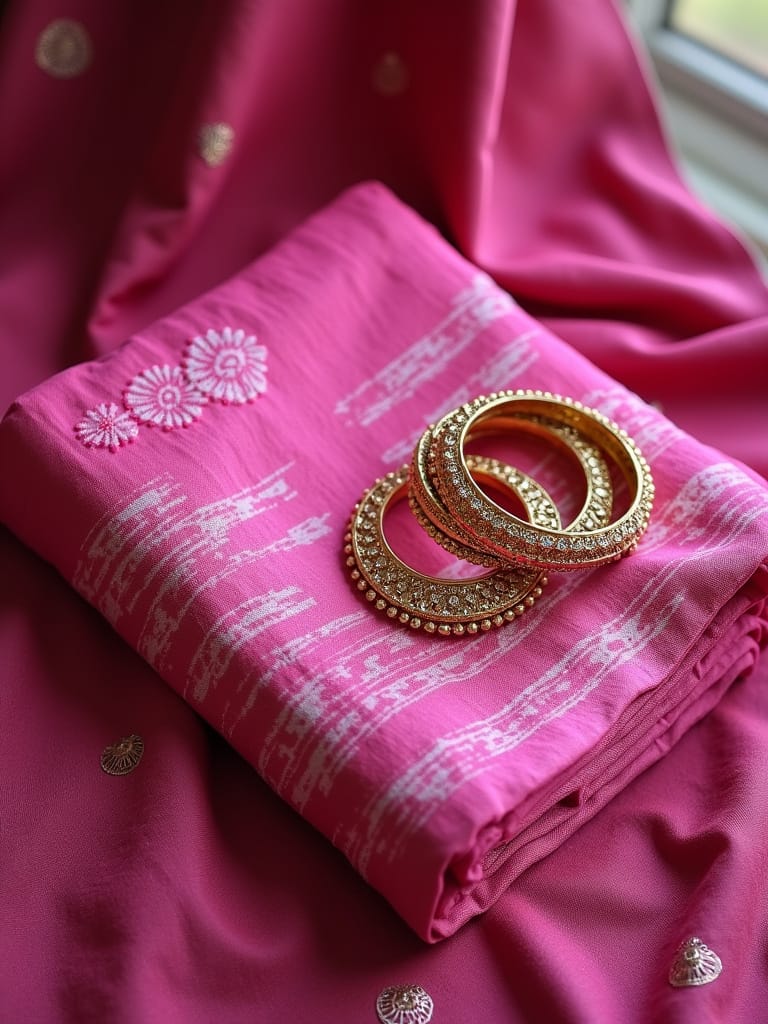
Today, while the Gujarati style saree is still worn by most women to traditional events, designers and fashionistas have given it a modern twist. Pre-stitched sarees with pre-created seedha pallus, lehenga-style sarees, and light chiffon sarees draped in Gujarati style are becoming popular for parties and contemporary weddings. Indian brides and fashion bloggers prefer this drape due to its capability to accentuate the beauty of the saree’s pallu and provide a structured and glamorous look.
Also read –