Physical Address
304 North Cardinal St.
Dorchester Center, MA 02124
Physical Address
304 North Cardinal St.
Dorchester Center, MA 02124

Among India’s numerous saree traditions, the South Indian style saree is distinct for its magnificence, heritage, and distinctive method of draping. With its long pleats, graceful fall, and temple-inspired motifs, the style has a strong hold in the cultural heritage of Tamil Nadu, Karnataka, Andhra Pradesh, Telangana, and Kerala. For wedding, temple-going, and festival events, the South Indian style saree has been one of the most refined and genuine drapes.
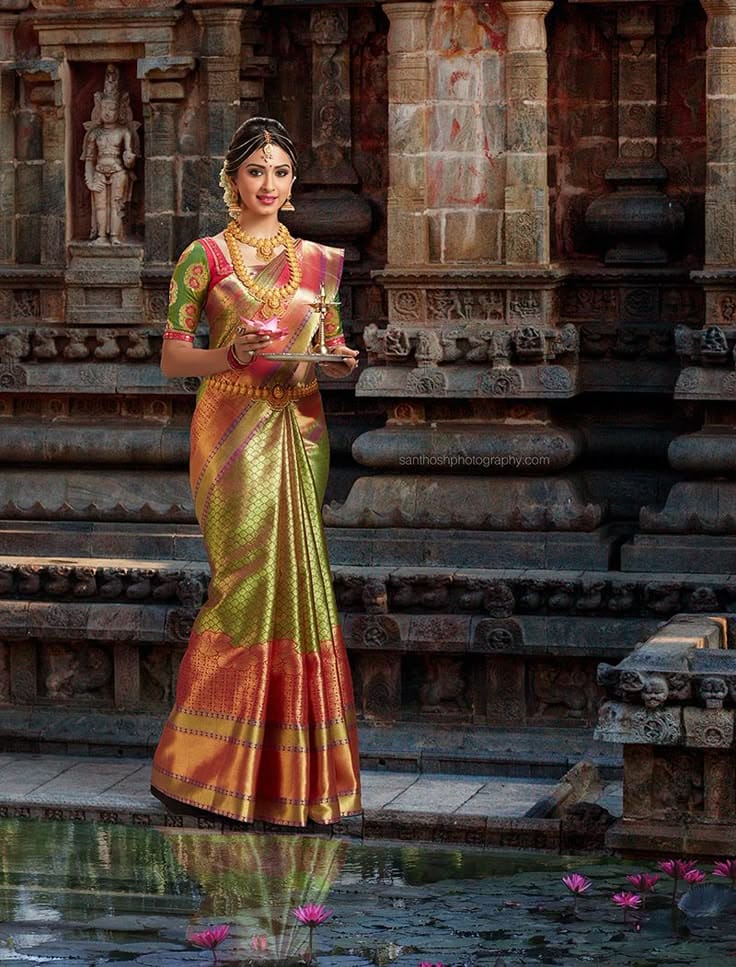
The South Indian tradition of saree wearing goes back by thousands of years. In the past, women used to wear unstitched drapes as acts of chastity and modesty. With time, this evolved into the South Indian pattern saree with an emphasis on practicality and elegance.
South Indian women prefer wearing Kanjeevaram silk sarees or Mysore silks or plain cotton sarees in this manner. It is a drape that is easy to move around in, which is required during performing temple rituals or festival dances, and yet remains graceful.
South Indian saree style is also strongly associated with ceremonies and rituals. South Indian brides most often wear intricately patterned silk sarees of this style, featuring mythological, natural, and temple-inspired motifs.
The South Indian saree style is distinctive from other saree styles of draping because:
The style is humble and lovely, hence it is appropriate for rituals and festivals.
Following is a step-by-step guide to South Indian style saree dressing:
This drape not only enhances the appearance of the saree but also offers comfort for a long time, and this is essential in conventional ceremonies.
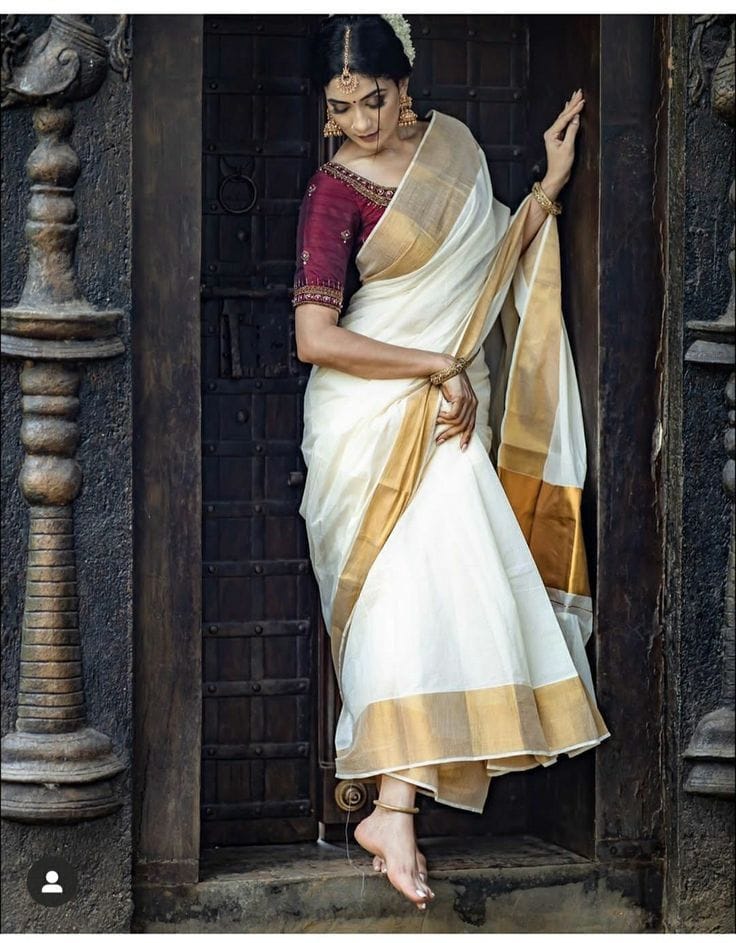
The South Indian saree is beautiful as it reveals various weaves of the region. There are some classic sarees which are:
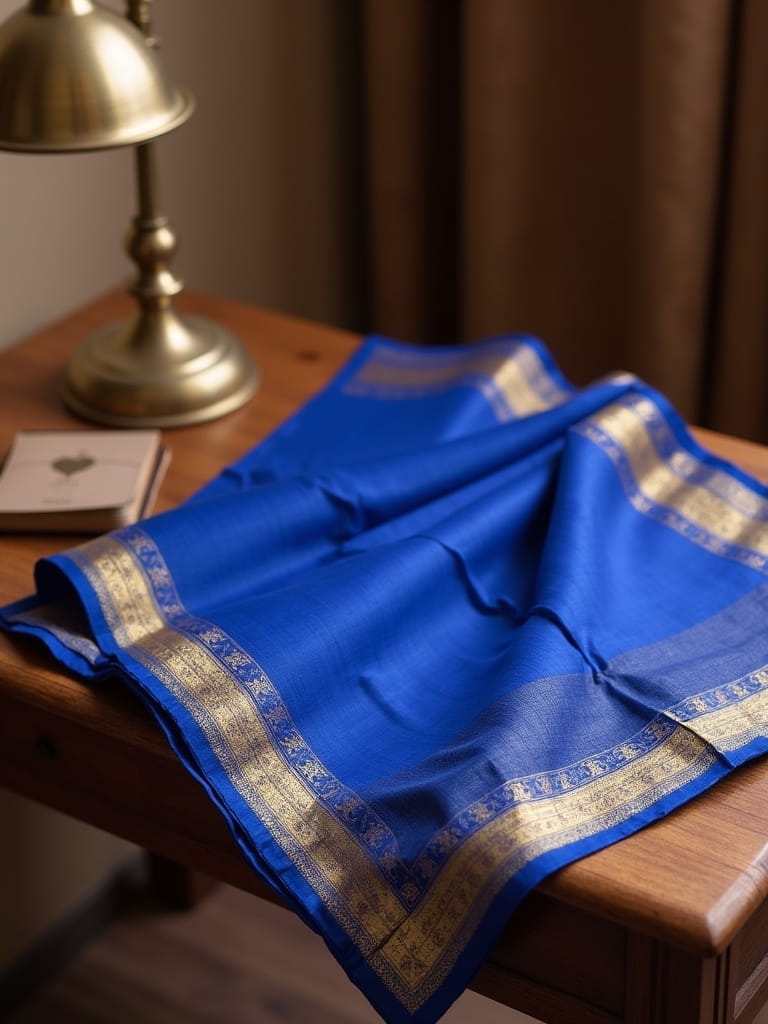
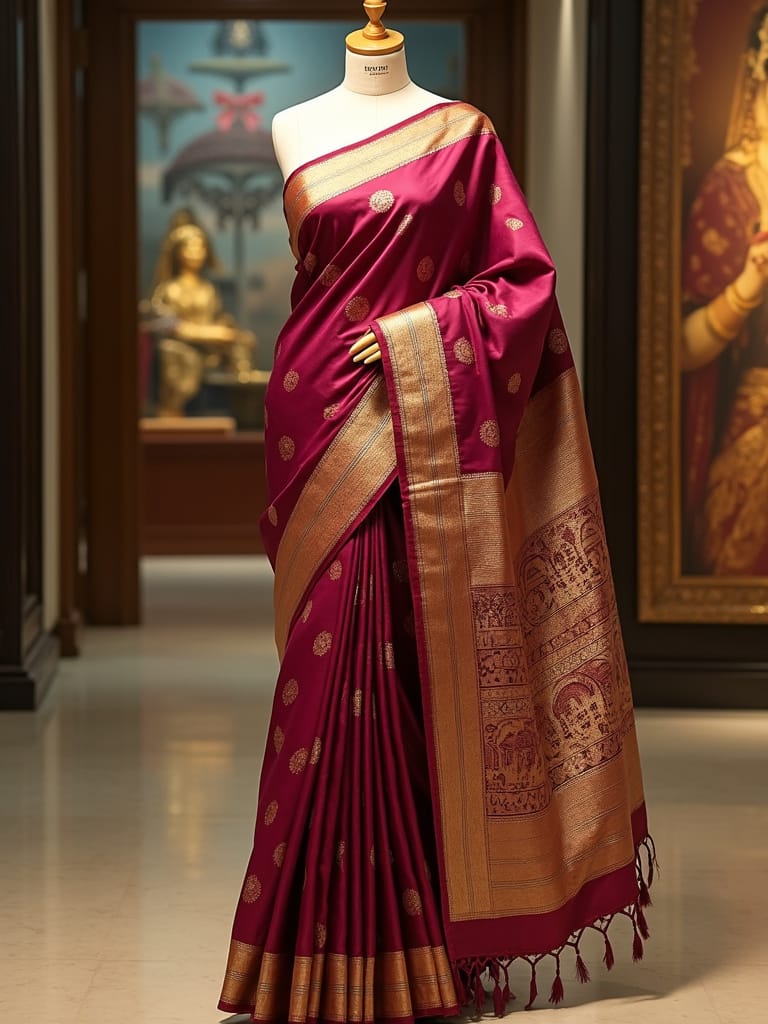
Kanjeevaram Saree (Tamil Nadu) – Famous for its heavy silk, golden zari borders, and temple motifs, usually worn by brides.
Mysore Silk Saree (Karnataka) – Sheer, lustrous silk with lightweight zari work, suitable for both occasions and festivals.
Pochampally Ikat Saree (Telangana) – With geometric pattern and special weave.
Venkatagiri Saree (Andhra Pradesh) – Light and airy with intricate zari work.
Kasavu Saree (Kerala) – Off-white or white with golden borders, usually for festival events like Onam.
All these sarees, if draped according to the South Indian style, reveal the craftsmanship of the weavers and the cultural richness of the region.
The South Indian fashion saree is at its best when paired with traditional accessories that complement its elegance:
Temple Jewelry – Trending are heavy gold long harams, chokers, and jhumkas.
Flowers in Hair – Jasmine garlands can normally be found to adorn women’s braids or buns.
Bangles and Anklets – Glass bangles, gold kadas, and silver anklets are suitable with the saree.
Bindis and Nose Rings – A big red or maroon bindi enhances the classical beauty.
This trend is particularly observed on weddings and temple festivals and makes the wearer look divine and royal.
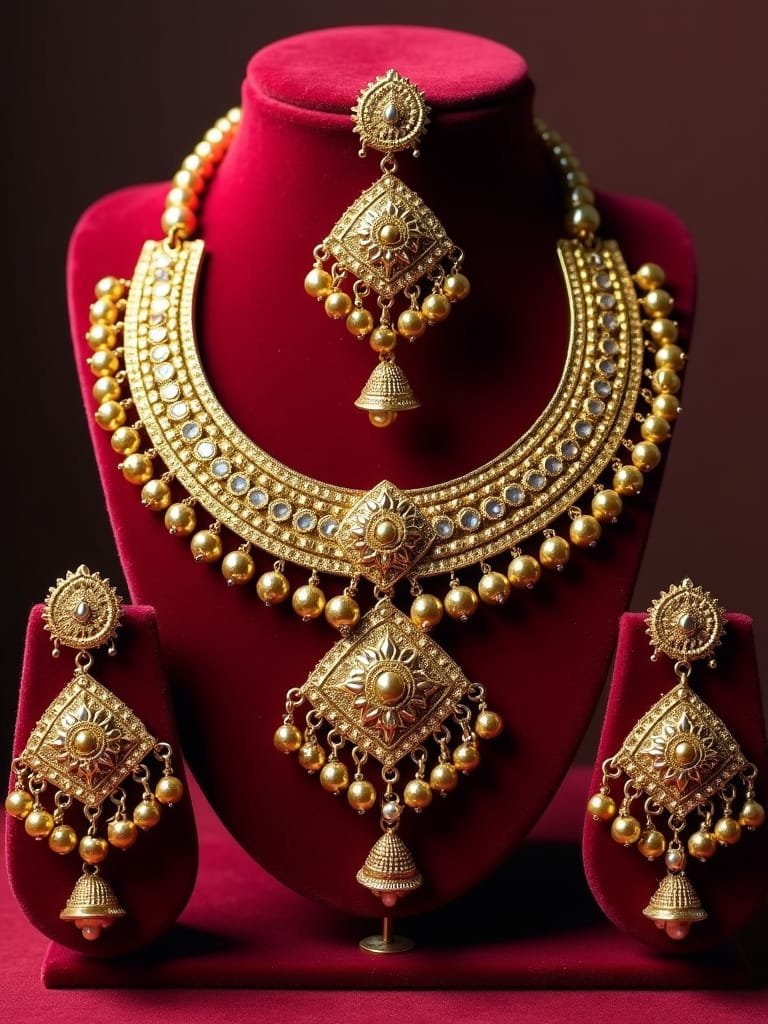
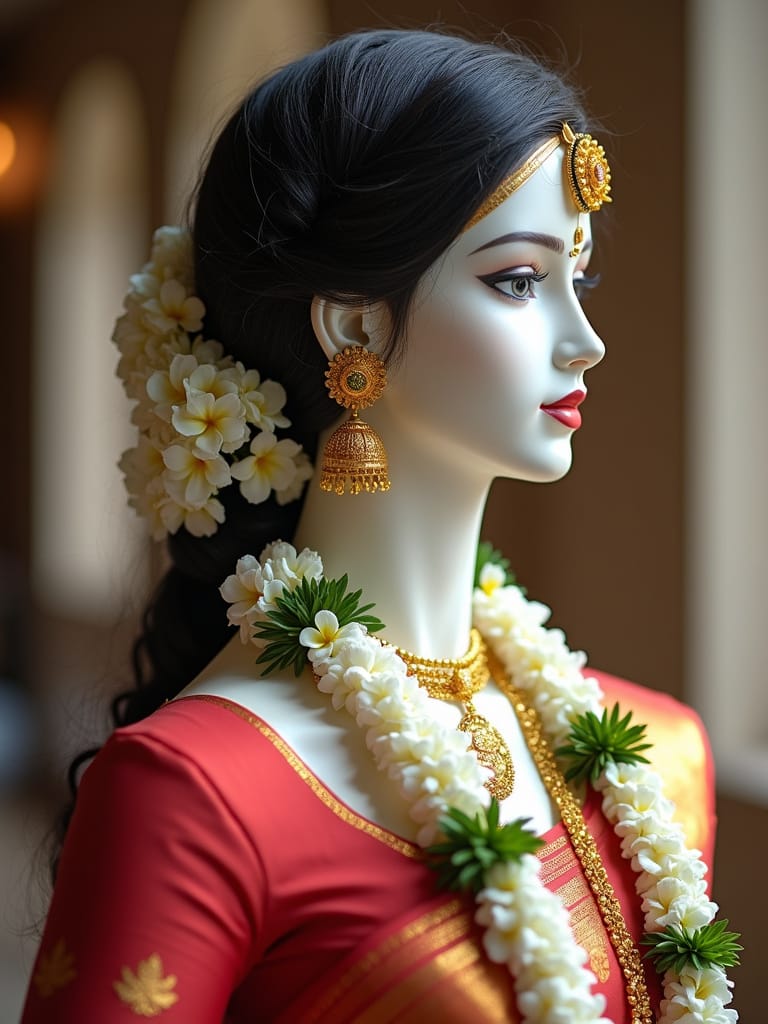
The South Indian-style saree is not fashion, it is a cultural icon. The bride in Tamil Nadu is incomplete without her Kanjeevaram saree. The Kasavu draped in the South Indian style in Kerala is a symbol of purity and celebration. Dancers wear sarees pre-stitched in the South Indian style for ease of convenience during Bharatanatyam and Kuchipudi performances, representing tradition and art.
From holy rituals to celebrity weddings, the drape is still the symbol of elegance, tradition, and cultural pride.
Though the South Indian style saree is traditional in nature, it has also remained current in fashion. Pre-stitched sarees in the style are now created by all designers, so it is simple for the woman of today to wear. Light silks, pastel shades, and fusion blouses are the fashion, but the traditional draping. Even in fashion shows and movies, the South Indian style saree is given much respect for its classic beauty. Other brides from locations other than South India are also opting for Kanjeevaram sarees in this style for the wedding.
Also Read –