Physical Address
304 North Cardinal St.
Dorchester Center, MA 02124
Physical Address
304 North Cardinal St.
Dorchester Center, MA 02124

A long-standing tradition in India, fragrance has been created using natural oils and botanical extracts for thousands of years; one of its earliest examples is that of attar perfume, which originally began as a utilitarian tool for ceremonies and rituals, but today it is experiencing a resurgence among modern fragrance enthusiasts. In this comprehensive guide to attar perfume, we dive into the definition of attar, provide contextual information regarding its background and advantages, along with categorizing the different types of attar and sharing why they are re-emerging as popular products within our everyday life. As the warmth of the sun brings out vibrant flowers and lush greenery, many are seeking fresh scents for summer occasions to complement the season’s lively atmosphere. These fragrances, often derived from fragrant natural ingredients, evoke memories of beaches, gardens, and celebrations, making them a perfect choice for warm-weather gatherings. Whether it’s a family picnic or an evening soiree, the right scent can elevate the experience and leave a lasting impression.
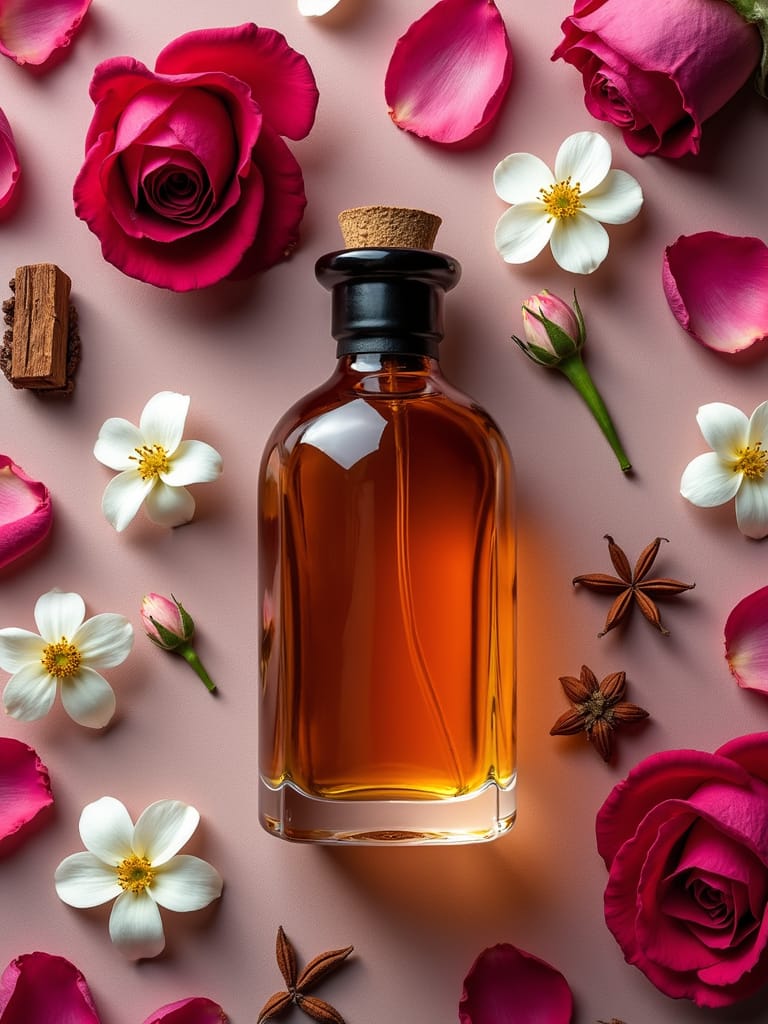
Attar perfume is an all-natural, oil-based perfumed oil that is created from the distillation process of flower petals, herbs, spices, or wood; in contrast to alcohol-based fragrances, which are derived from alcohol and synthetic fragrance, attar perfume has an oil base (traditionally sandalwood oil), which helps preserve the essence of the perfume.
Attars are extremely concentrated and allow for a gentle touch to your skin while retaining their lasting aroma.
The tradition of using attar perfume originated thousands of years ago within the Indian subcontinent and the Middle East. The first attars were produced by ancient perfumers who perfected the methodology involved in using copper stills and steam distillation as methods of extracting scent from a plant’s essence.
Attars have played an important role in everyday life for both royalty and those engaged in the process of creating and wearing fragrances. As such, they served as both a source of enjoyment and as a means of expressing personal beauty and dignity.
Several reasons explain the renewed popularity of attar:
Modern consumers are increasingly drawn toward authentic and sustainable fragrance options.
Understanding the difference helps in choosing the right fragrance.
Attar stays closer to the skin and evolves slowly, while alcohol perfumes project faster but fade sooner.
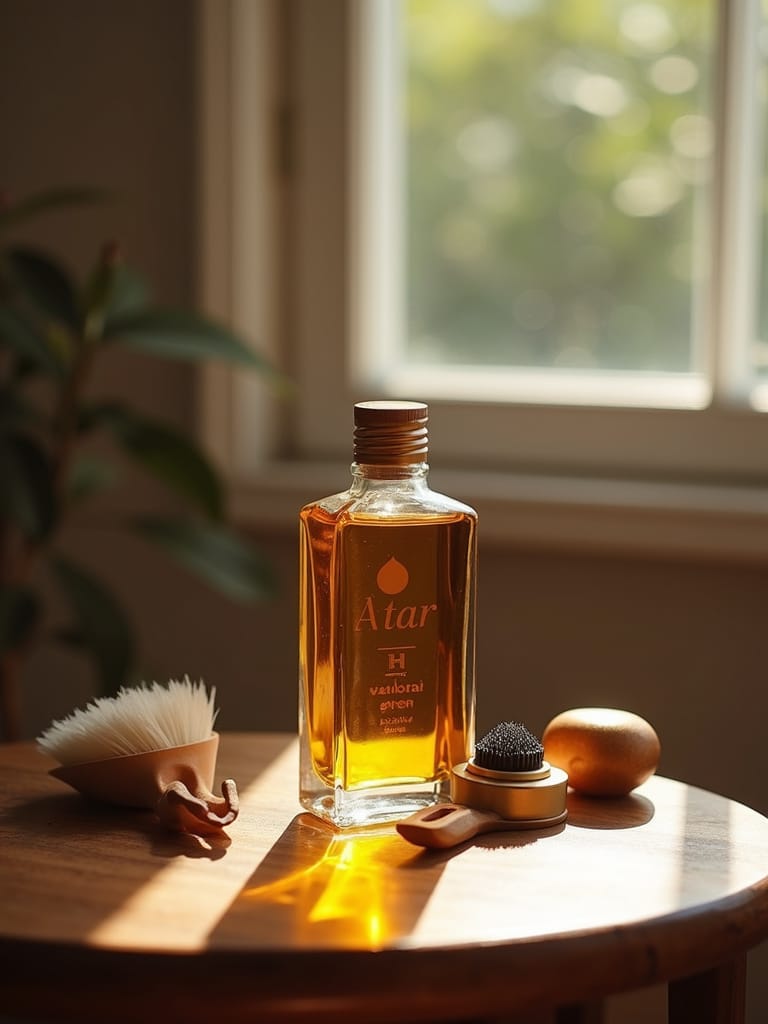
Rose, jasmine, kewda, and mogra are popular floral choices. These offer soft, soothing aromas suitable for daily wear.
Sandalwood, agarwood (oud), and cedarwood attars feel rich and grounding, ideal for evening use.
Clove, saffron, and cardamom attars add warmth and depth, often used during cooler months.
Made from vetiver (khus) and other herbs, these attars provide refreshing and calming effects, especially in summer.
Attar is highly concentrated and lasts for several hours with minimal application. Since it contains no alcohol, evaporation is slower.
Sillage is subtle and intimate, making attar perfume suitable for close-contact settings.
One major advantage of attar is skin comfort.
This makes attar perfume a preferred option for long-term use.
Attar is applied differently from sprays.
A small amount is sufficient due to high concentration.
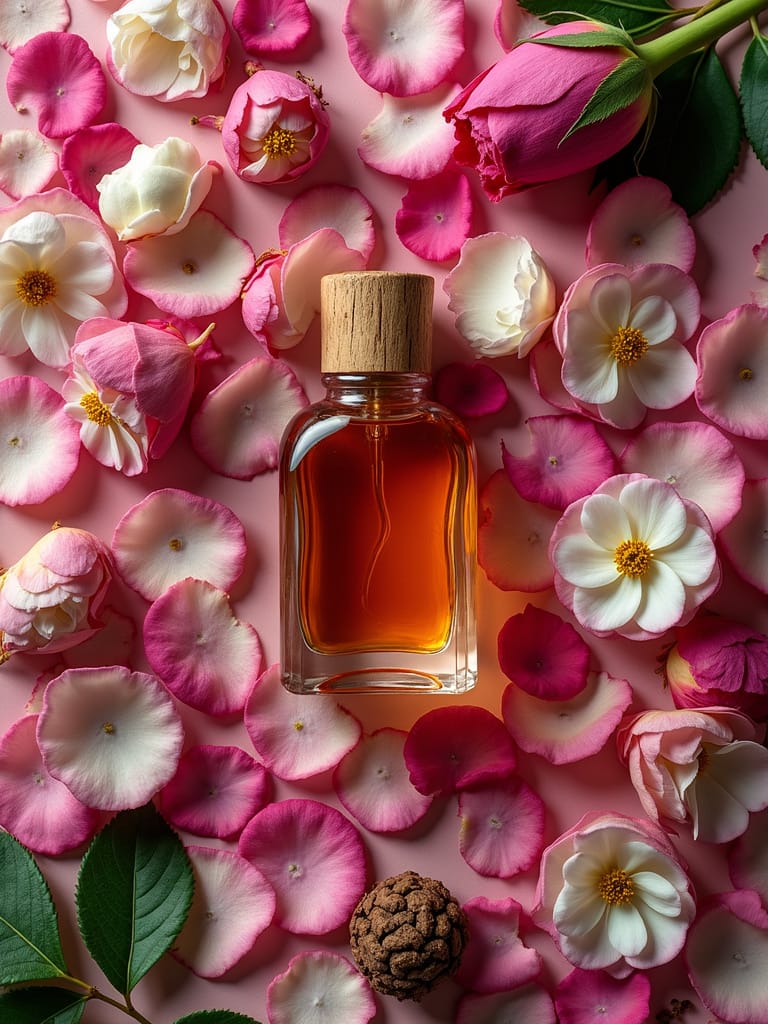
Attar works exceptionally well in Indian weather.
Herbal and floral attars are especially popular during summer months.
For daily use, light floral or herbal attars work best. For special occasions, woody and spicy attars offer depth and richness.
This versatility adds to the growing appeal of attar perfume.
Today’s attar is available in sleek roll-ons, glass bottles, and travel-friendly vials. This modern presentation makes attar accessible to younger audiences.
Attar aligns well with sustainable practices.
These factors resonate with eco-conscious consumers.
In reality, modern attars are refined, versatile, and suitable for everyday use.
When selecting attar, consider:
Testing on skin helps understand how the fragrance develops.
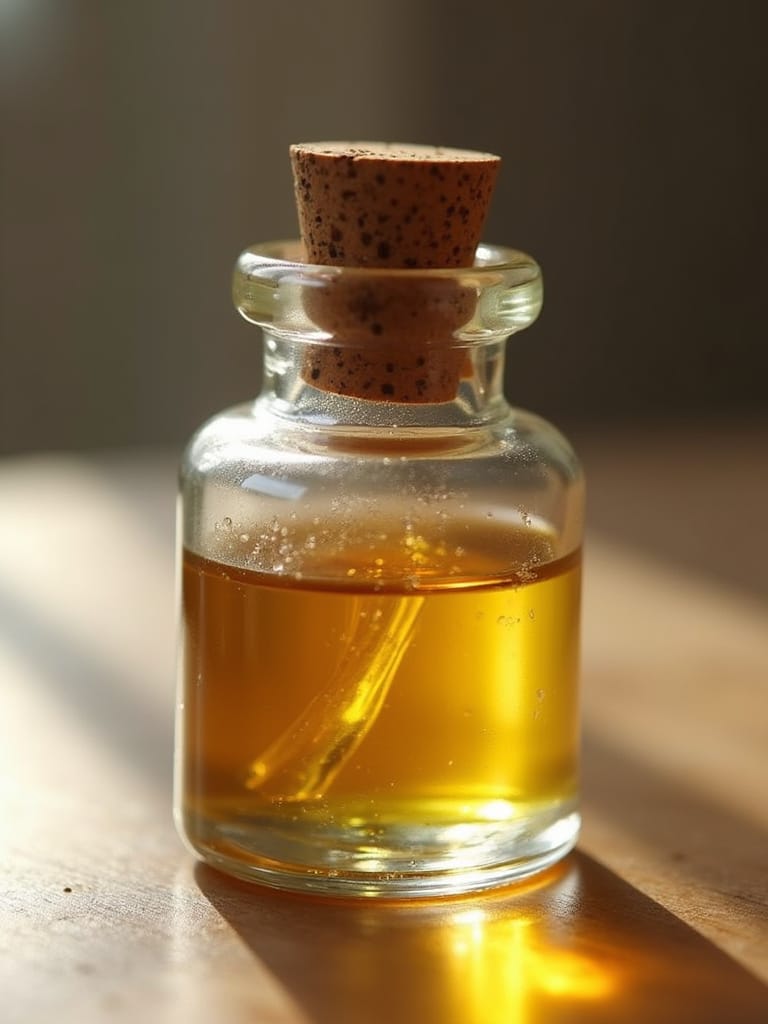
Attar is now being embraced by niche fragrance brands and designers. The blend of tradition and modern appeal has made attars relevant again in today’s fragrance world.