Physical Address
304 North Cardinal St.
Dorchester Center, MA 02124
Physical Address
304 North Cardinal St.
Dorchester Center, MA 02124

Perfume is one of the oldest forms of grooming, culture and self-expression used throughout history. Perfumes include luxury and modern fragrances in addition to their use as traditional attars, which are all woven into people’s lives every day. Now there are so many different types of fragrances to choose from it is important to understand the various perfume classifications so that you can find the right scent for you.
This comprehensive guide will give you an overview of how perfumes are classified according to concentration, fragrance families, uses and needs based on climate and lifestyle in India.
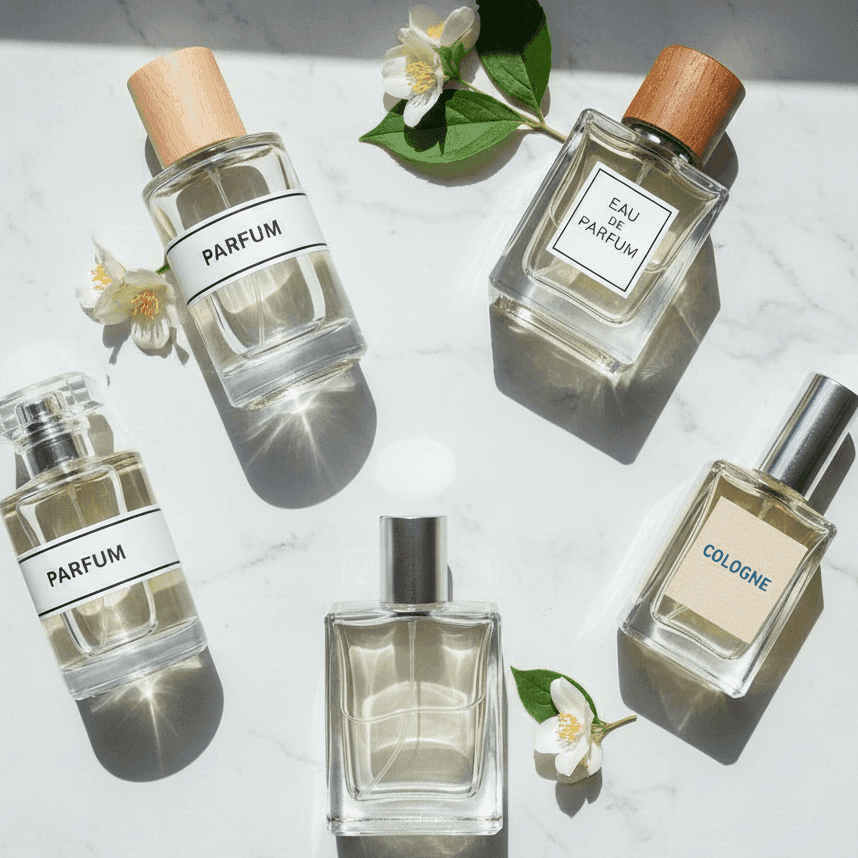
Perfumes are created by mixing fragrance oils with water and alcohol, and the type of blend will dictate the strength, longevity and strength of scent. This is how most people will categorize their perfume choice, and it is usually one of the first pieces of information that you will find on a bottle of perfume. Due to the higher concentration of oil in a fragrance, you will find that a fragrance has a stronger scent and is longer lasting than a fragrance that contains a lower concentration of fragrance oil.
Parfum is the most concentrated and luxurious category among all types.
Parfum is ideal for weddings, special events, and evening functions. In Indian settings, parfum works best during cooler months or night-time occasions, as the strong concentration can feel heavy in extreme heat.
Eau de Parfum is one of the most popular and balanced choices.
Among all the types of perfumes, Eau de Parfum offers excellent longevity while remaining versatile. It performs well in air-conditioned environments and evening wear across Indian cities.
Eau de Toilette is lighter and fresher than EDP.
EDT suits Indian summers very well. The lighter formulation feels comfortable in heat and humidity, making it one of the most commonly used types of perfumes for daytime wear.
Eau de Cologne is a very light fragrance category.
EDC is often used after showers or during travel. In India, colognes are popular for morning use or extremely hot weather when heavier scents feel overwhelming.
Eau Fraîche is similar to cologne but contains even less fragrance oil.
This category suits sensitive skin and children and is ideal for mild fragrance needs. Among the different types of perfumes, Eau Fraîche is the softest option.

Apart from concentration, perfumes are also classified by scent families. This helps buyers understand how a perfume smells rather than how long it lasts.
Floral perfumes are created using notes like rose, jasmine, lily, tuberose, and orange blossom.
Traditional Indian preferences strongly favour jasmine and rose-based floral fragrances.
Citrus perfumes feature lemon, bergamot, orange, and grapefruit notes.
Among all types of perfumes, citrus scents are considered refreshing and youthful.
Woody fragrances include sandalwood, cedarwood, vetiver, and patchouli.
Sandalwood-based woody perfumes hold cultural importance in India and are often associated with calmness and tradition.
Oriental perfumes contain spices, resins, amber, vanilla, and incense notes.
These perfumes match Indian celebrations and traditional attire very well.
Fresh perfumes include water-based, green, and marine notes.
This category is popular among younger audiences and office-going professionals.
Gourmand fragrances smell edible, featuring notes like vanilla, chocolate, coffee, and caramel.
Among the newer types of perfumes, gourmand scents have gained popularity in India in recent years.
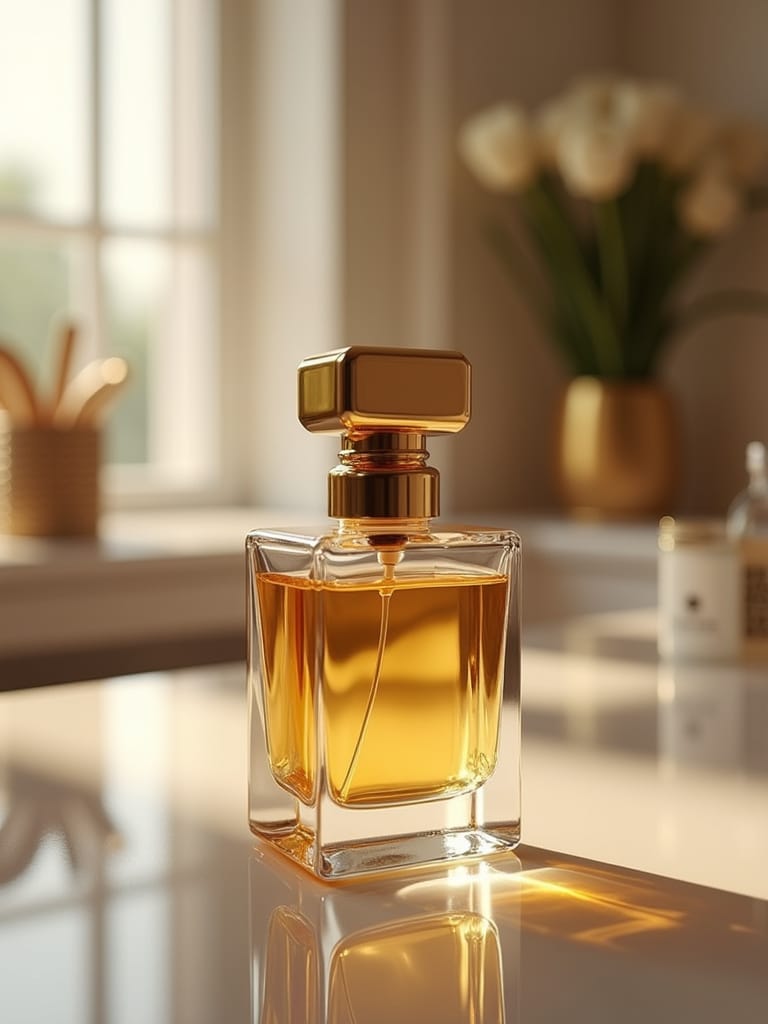
The most common format, easy to apply and control.
Compact and travel-friendly, ideal for touch-ups.
Wax-based perfumes with subtle fragrance and no alcohol.
Traditional Indian perfume oils, alcohol-free and long-lasting.
Attars deserve special mention among the types of perfumes popular in India due to their cultural significance and skin-friendly nature.
India’s climate varies greatly, but heat and humidity dominate most regions. This makes fragrance selection very important.
Understanding the types of perfumes helps in selecting scents that feel pleasant rather than overpowering.
These practices enhance performance across all types.
Knowing the types of perfumes prevents confusion and poor buying decisions.
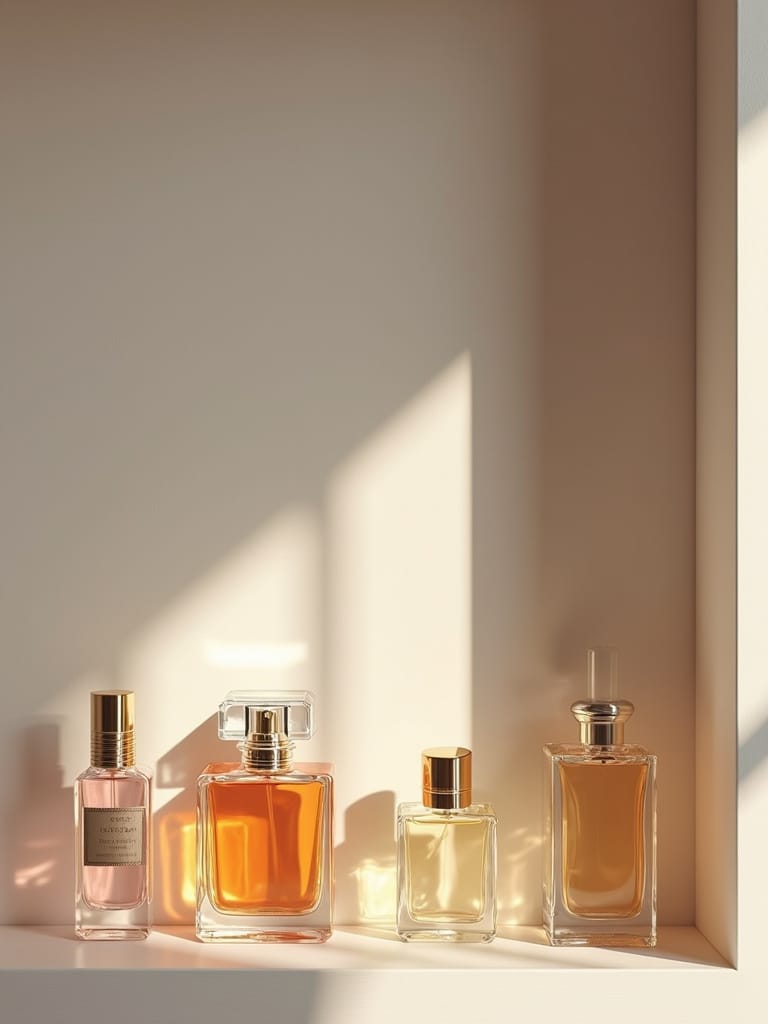
The fragrance industry offers a diverse assortment of options, and by becoming familiar with the various classifications of perfumes, the buyer will have a much easier time finding a fragrance that is suitable to their needs.
In India, when it comes to choosing the correct fragrance, the factors that will impact a buyer’s selection include climate, occasion and personal preferences. When buyers understand what constitutes the different categories of fragrances as well as what defines fragrance families, finding a fragrance that meets their needs will be a successful learning experience.