Physical Address
304 North Cardinal St.
Dorchester Center, MA 02124
Physical Address
304 North Cardinal St.
Dorchester Center, MA 02124

The saree represents more than a clothing item because it serves as a cultural representation which showcases traditional heritage and permanent artistic craftsmanship. The saree shows its exceptional ability to adapt to multiple events through its various traditional Indian draping methods which include daily wear and wedding attire and festive outfits and contemporary fashion. The fabric of a saree establishes its complete identity according to its design. The saree develops its unique character through its different materials which include luxurious silks breathable cottons and flowy chiffons and structured organza.
This detailed guide explores the different types of sarees based on fabric their unique characteristics and why they continue to remain wardrobe essentials across generations.
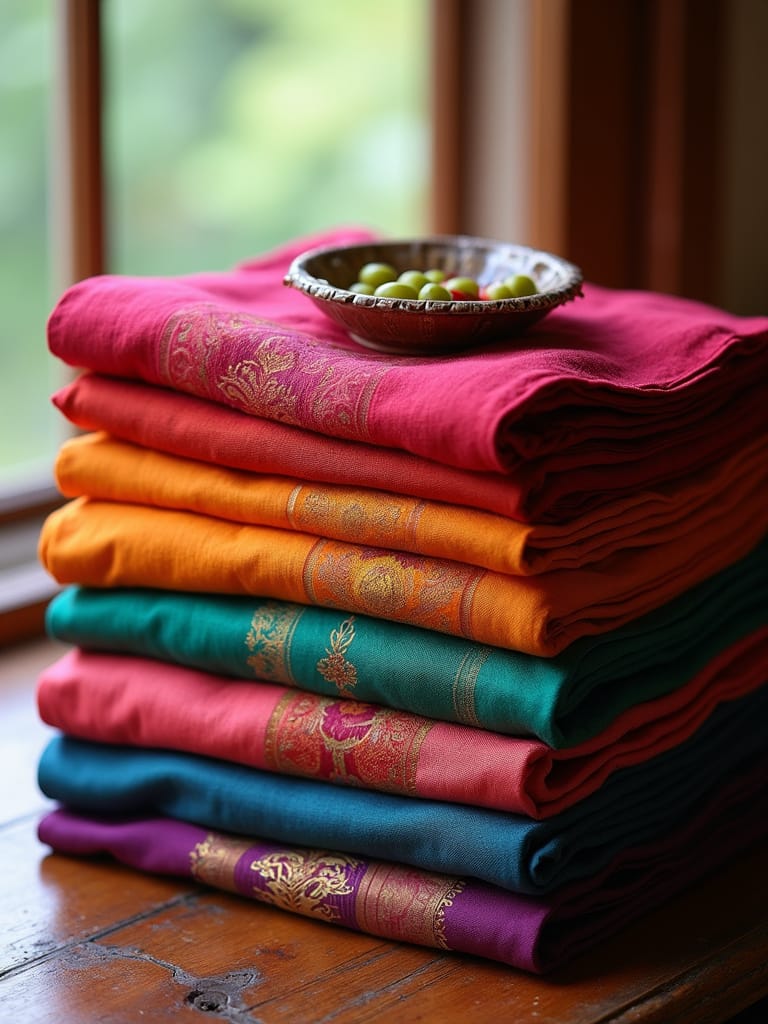
Amongst all sarees, silk is the most prestigious. Silk sarees carry a royal ambience. Silk sarees are handloomed in pure silk threads, which provide a natural gloss, smoothness, and touch of luxury. They are associated with wedding ceremonies, religious rituals, and VIP events.
Banarasi Silk Sarees: They are from Varanasi and are very popular for heavy zari in gold and silver, Mughal motifs, and very fine workmanship. A Banarasi is a bride’s must-have traditionally.
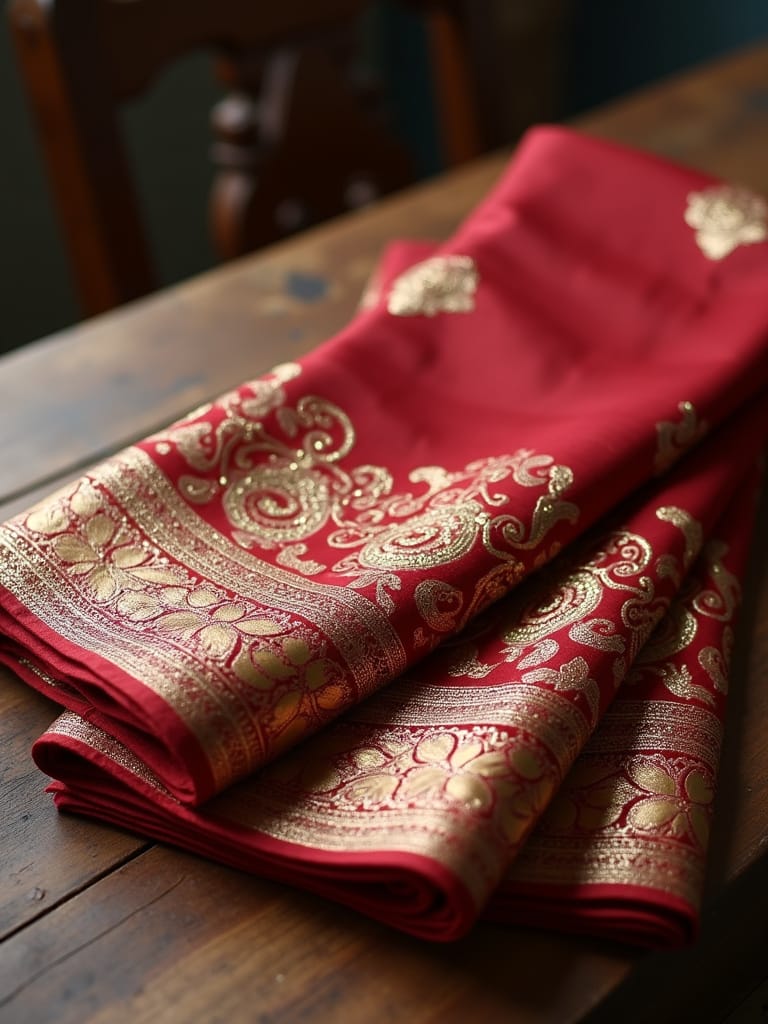
Kanjeevaram Silk Sarees: From Tamil Nadu, known for their bright colors, broad contrast borders, and temple motif designs. Kanjeevaram sarees last generations.
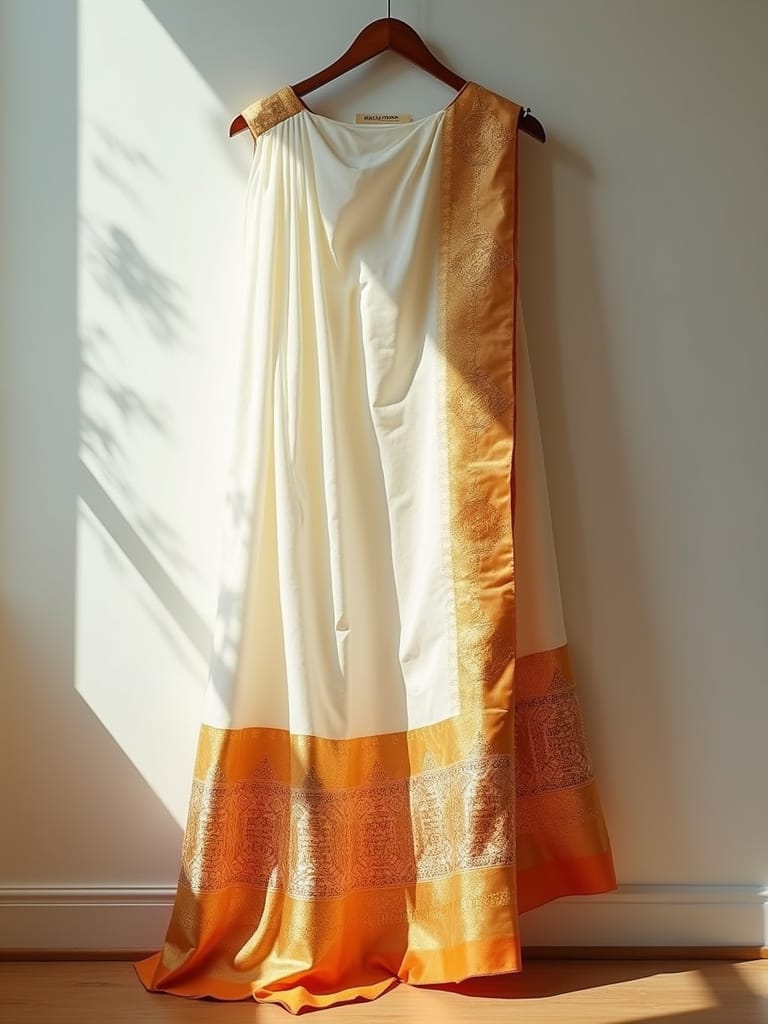
Tussar Silk Sarees: Tussar silk types of sarees has an earthy beauty in its raw texture and natural golden hue, which is generally later supplemented with tribal motifs.
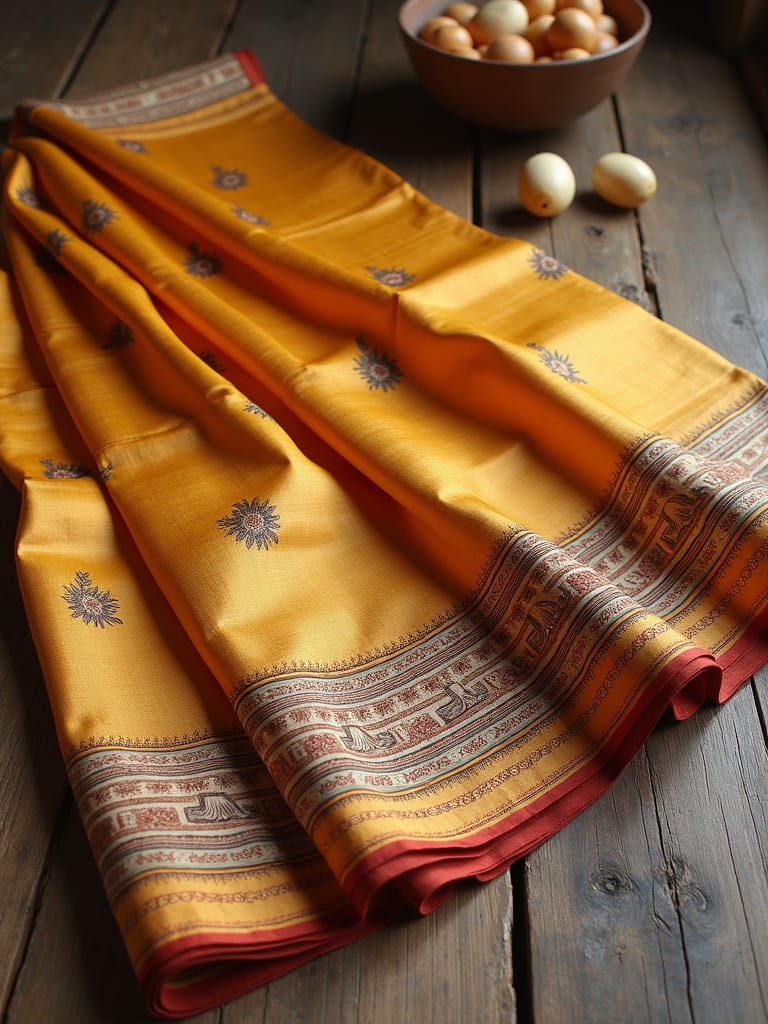
Patola Silk Sarees: For Patola Silk types of sarees, double ikat method is used for handweaving these in Gujarat. Geometrical accuracy and bright colors are the hallmark of these, which are one of the most luxurious sarees in India.
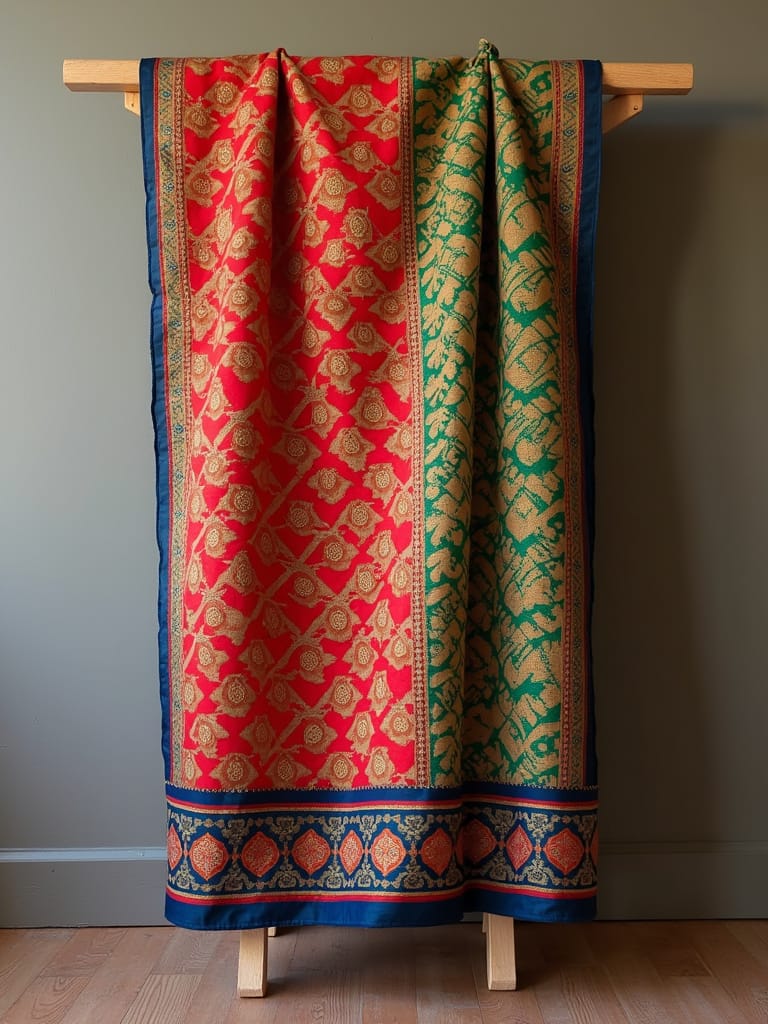
Silk sarees are not merely garments; they are heritage pieces, passed down from one generation to the next.
Cotton is the most natural and versatile of fabrics for a saree. Gentle on the skin and ideal for the heats, cotton sarees are appropriate to be worn daily, for festive pujas, or summer soirees. Simple as they are, they narrate the tale of India’s glorious cloth heritage.
Khadi Cotton Sarees: They are handspun and handwoven, symbolizing India’s freedom struggle. They are rural in feel and extremely comfortable.
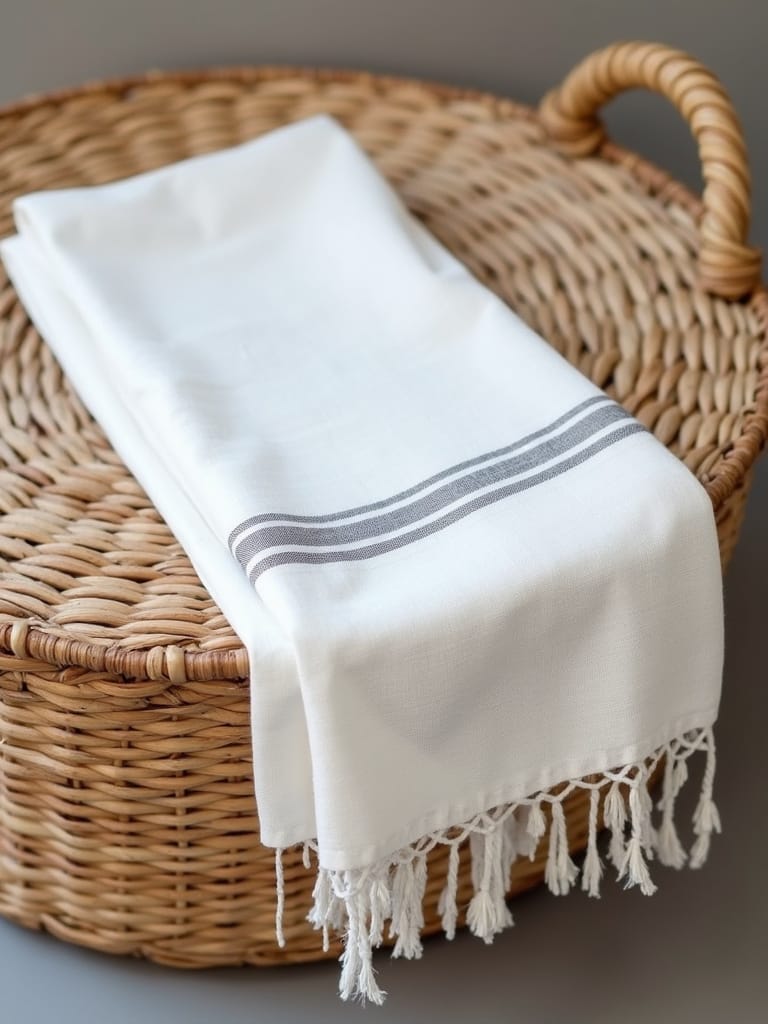
Jamdani Cotton Sarees: Bengal’s contribution, with gorgeous floral and geometric motifs, painstakingly woven on cotton. They are light but rich.
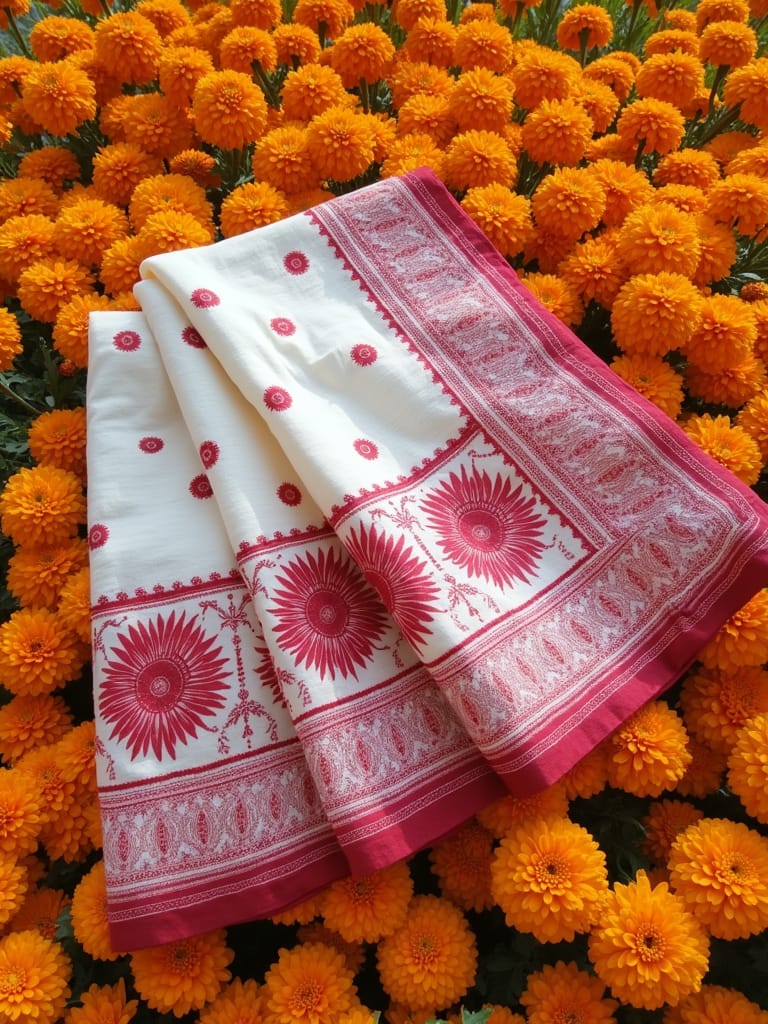
Kota Doria Sarees: They are Rajasthan origin and sheer, lightweight, and with square “khats” patterns.
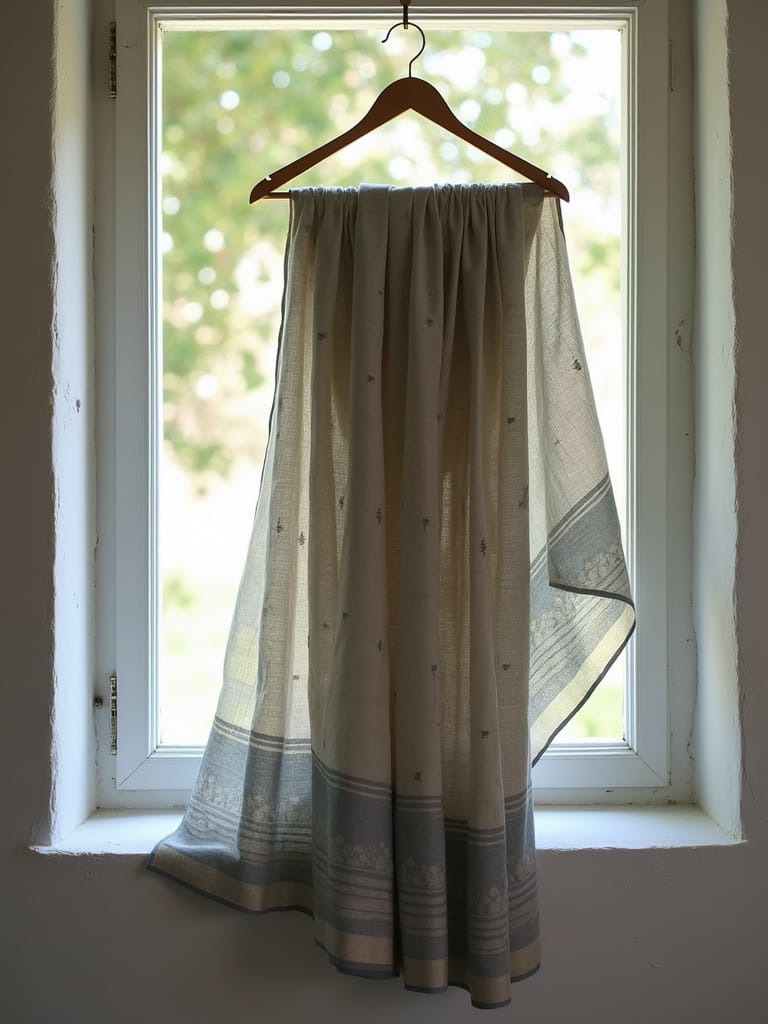
Chanderi Cotton Sarees: Also renowned for their transparent nature and glittering zari borders, Chanderi sarees are the best combination of light ease and celebratory appearances.
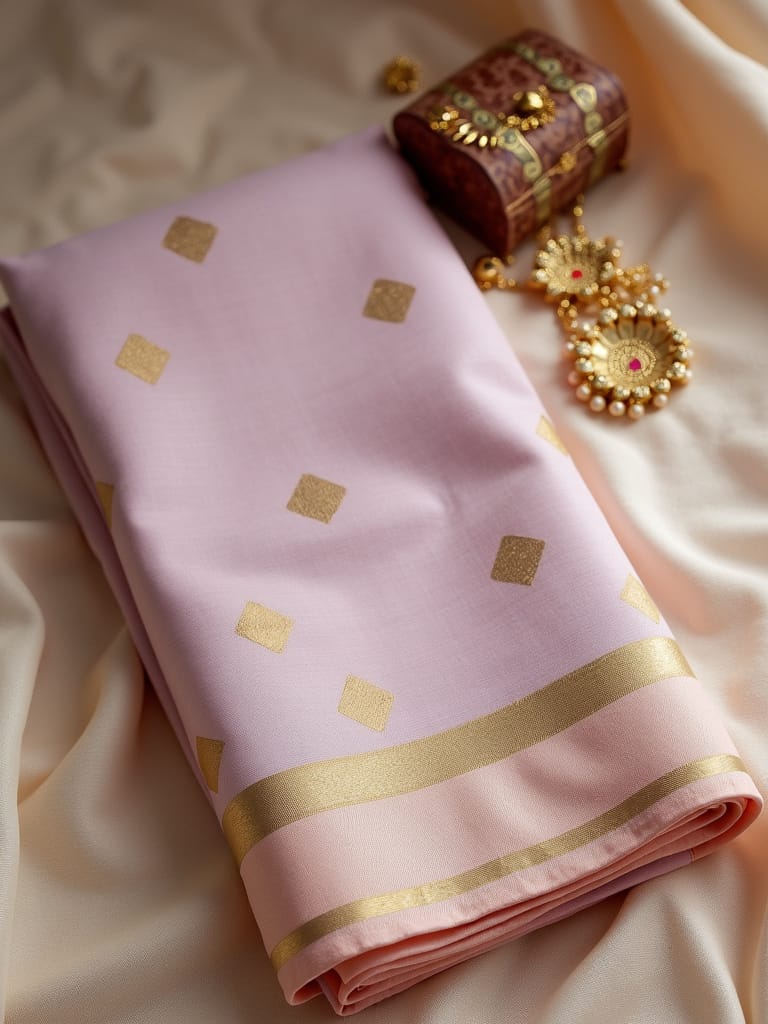
In types of sarees, while silk is timeless and cotton is simple, chiffon is contemporary romance. Chiffon sarees are light, sheer, and flowing, perfect for party, cocktail evening, and even Bollywood fashion.
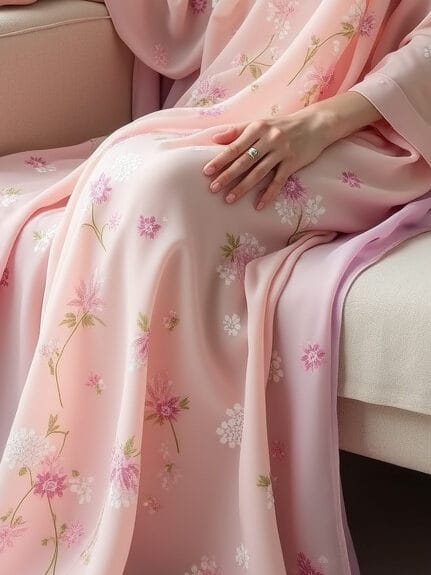
Georgette sarees are similar to chiffon but textured and shaped more. The grained finish is not as slippery and not as hard to work with.
Print Georgette Sarees: Best suited for daily wear, colorful, and vibrant.
Plain Georgette Sarees: Elegant but understated, often paired with statement blouses.
Georgette sarees are the most versatile of types of sarees—office attire, party attire, or festival attire.
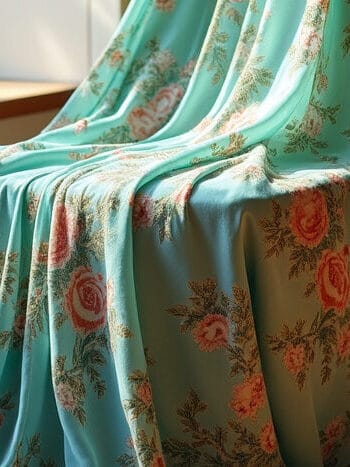
Crepe sarees are characterized by their silky, faintly wrinkled texture that falls well. They are extremely classy and appropriate for formal events.
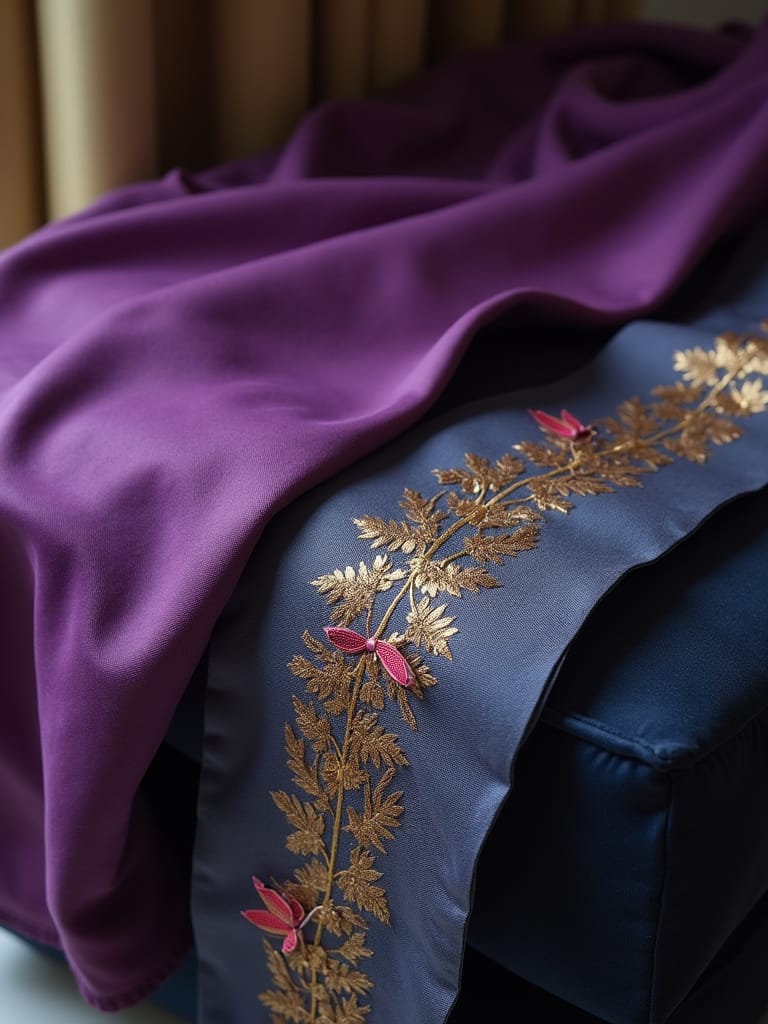
Linen sarees are gaining popularity with green fashion taking center stage. Linen is produced from flax fibers and is therefore an environment-friendly, light, and textured fabric.
Linen sarees exhibit understated luxury, which is desirable for contemporary women who want to be elegant without much effort.
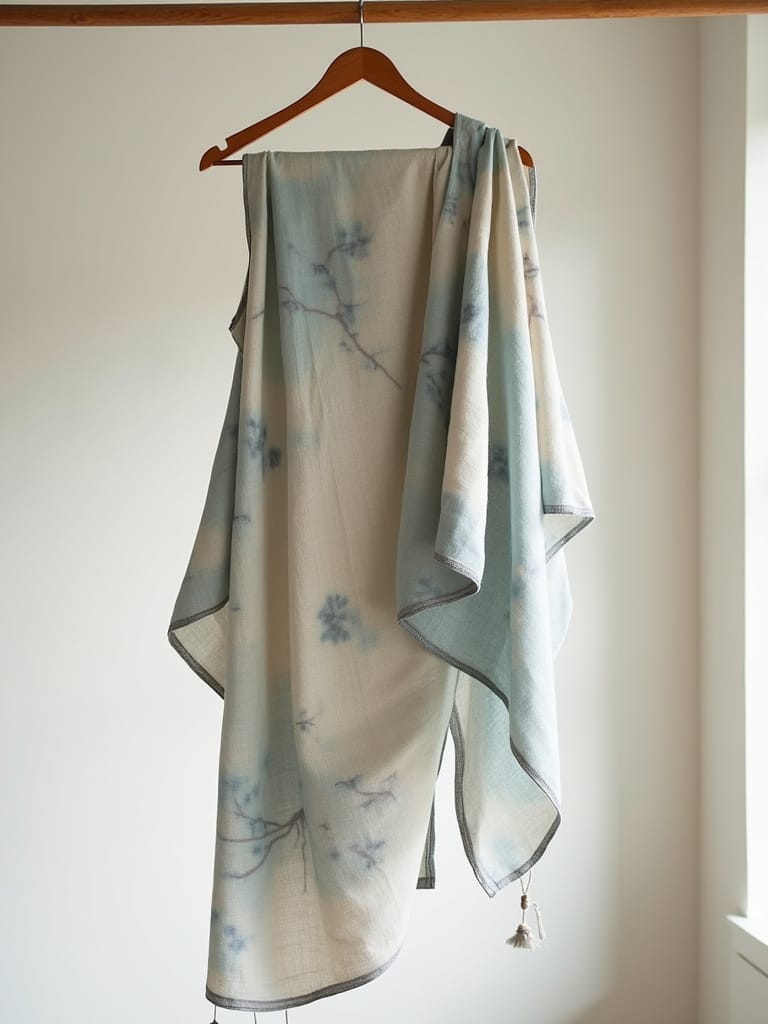
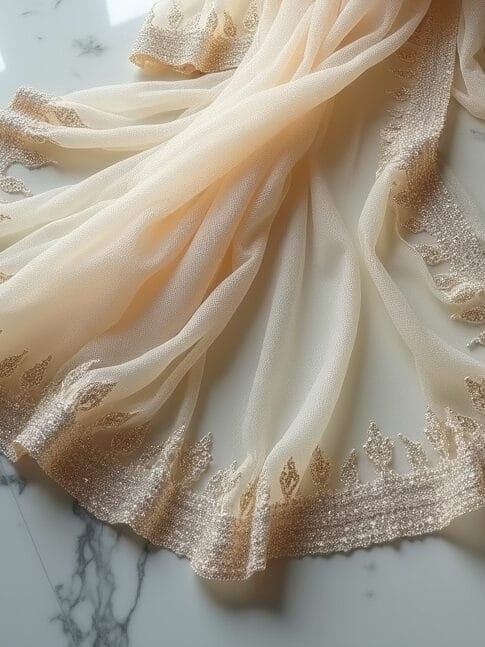
For a woman who needs to make a statement, the net sarees are the way to go. Sheer and fashionable, they are usually embellished with heavy embroidery, sequins, or beads.
Net sarees are a symbol of glamour and one of the most fashionable saree varieties available nowadays.
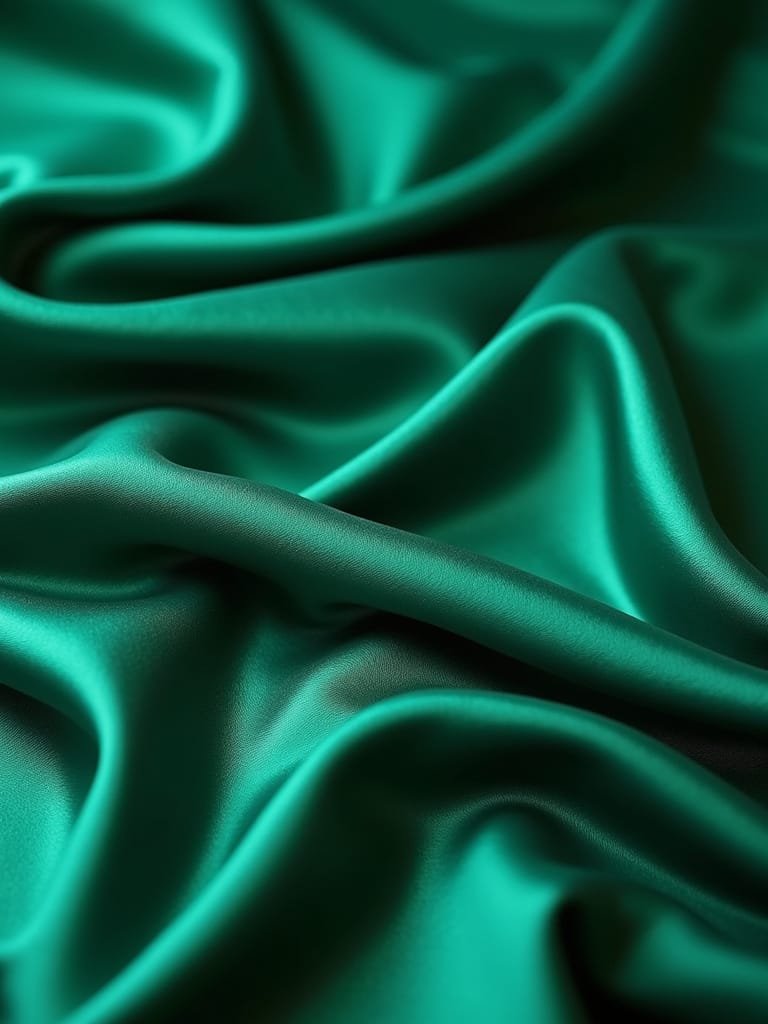
Satin sarees are smooth and shiny. The silky texture shines perfectly, and for this reason, they are perfect for nighttime functions.
Satin sarees are trendy, sophisticated, and a dramatic selection for females who prefer understated yet confident glamour.
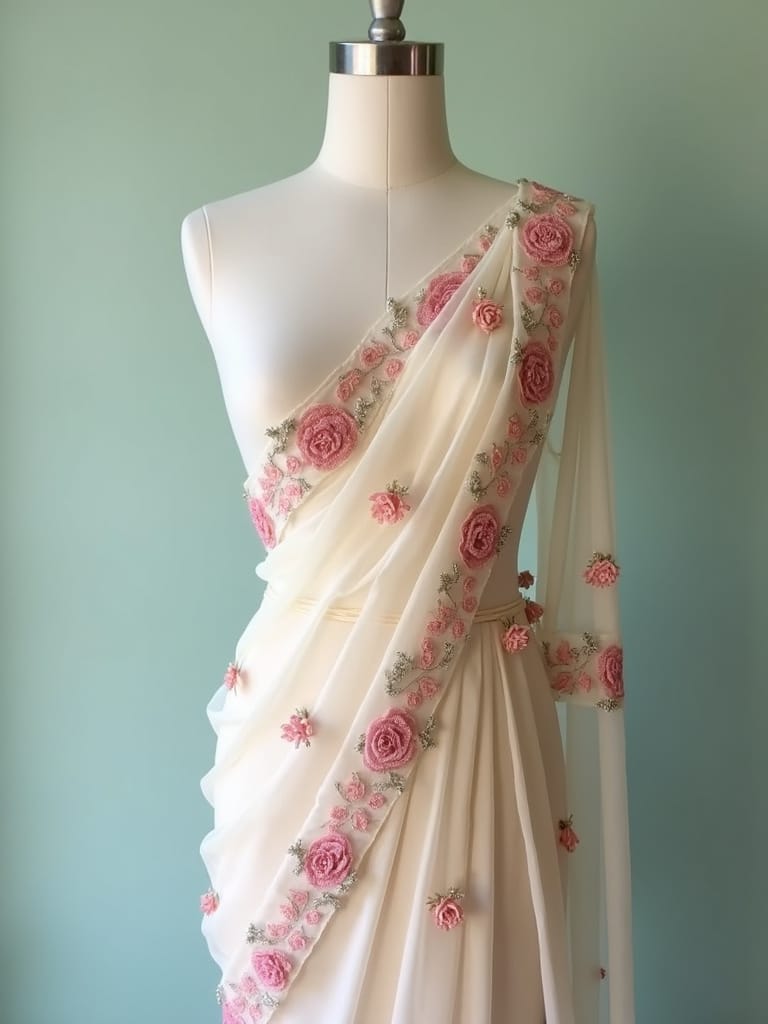
Organza sarees are crisp but transparent, which lends them an elegant but delicate beauty.
Organza sarees are trendy, new, and a hit in fashion stores.
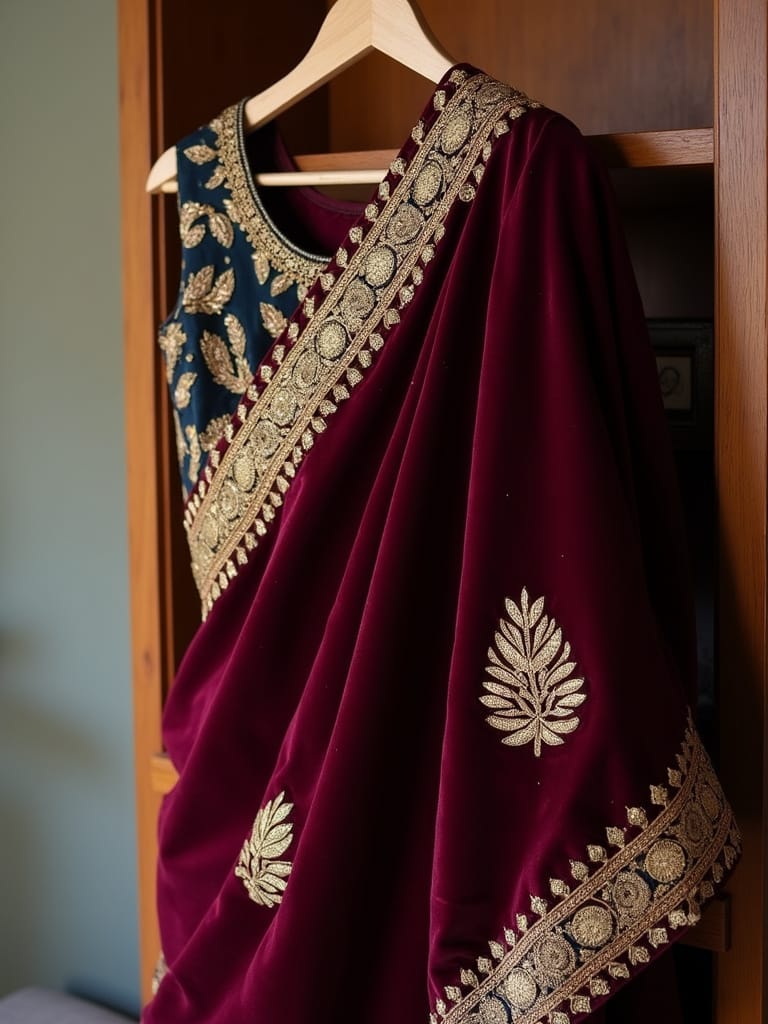
Velvet sarees are symbolic of extravagance and luxury. They are heavier compared to most other garments and therefore suitable for party nights and weddings during winter.
Velvet sarees look vintage, and they are usually worn by celebrities and brides.
Today, fashion is all about innovation, and sarees are no exception. Blended fabrics transmit the goodness of two fabrics.
Cotton-Silk Sarees: The elegance of silk and comfort of cotton.
Satin-Georgette Sarees: Gloss with flow.
Organza-Silk Sarees: Crispness with sheen.
These blended sarees are trendy, light, and suitable for contemporary times but retaining the traditional beauty.
With all these types of sarees on the basis of material, choice relies on
Occasion: Wedding – silk or velvet; party – georgette, organza, and chiffon; day-to-day wear – cotton and linen.
Climate: Summer: Linen and cotton; Winter: Silk and velvet.
Body Type: Chiffon, georgette, and crepe for lean body types; cotton and organza for structured looks.
Care: Cotton and linen are low maintenance; silk, net, and velvet require care.
The full range of Indian textile heritage appears through the silk fabrics from South India and the cotton fabrics from Bengal and the modern organza designs and the glamorous net sarees. The fabric material creates a narrative while each drape showcases beauty and feminine grace and personal style.
The saree maintains its traditional essence while adapting to contemporary fashion changes through its various fabric options and design styles. The outfit serves as more than clothing because it represents a heritage that exists within its woven threads.
You Might Also Find Interesting –