Physical Address
304 North Cardinal St.
Dorchester Center, MA 02124
Physical Address
304 North Cardinal St.
Dorchester Center, MA 02124

Creed is one of the most iconic names in modern luxury perfumery. For decades, this French perfume house has been synonymous with craftsmanship, heritage, and high-end fragrance artistry. Many fragrance enthusiasts and buyers often ask: what makes Creed Perfumes so expensive? The answer lies not just in price but in history, raw materials, production methods, exclusivity, and a unique brand philosophy. This detailed guide explains the key factors that contribute to Creed’s premium positioning, using real perfume examples to illustrate why this house remains emblematic in the world of luxury scents.
Creed’s history traces back to 1760, making it one of the oldest fragrance houses still operating today. The brand began in London and later moved to Paris, crafting bespoke fragrances for royalty, aristocrats, and influential patrons. Over centuries, the house built a reputation for exclusivity and fine craftsmanship that few competitors can match.
This long heritage places Creed in a league where history itself adds value. Modern fragrance buyers often view the brand not just as a perfume maker, but as a custodian of a centuries-old artistic tradition.
One of the defining aspects of Creed is its production philosophy. Many luxury perfume houses mass produce fragrances, but Creed maintains a focus on artisanal methods. A significant portion of its perfumes is blended in small batches with precision and meticulous quality control.
This handcrafted approach contrasts sharply with industrial production. Skilled perfumers at Creed oversee each step, from mixing to maturation, ensuring consistency and depth that mass-produced fragrances may lack. This process contributes to higher production costs, which in turn impact retail pricing.
Creed’s use of ingredients is one of the most frequently cited reasons why Creed perfumes are so expensive. The brand often sources top-grade natural materials such as:
While many perfume brands use synthetic alternatives to cut costs, Creed prioritises natural ingredients wherever possible. These raw materials are costly due to scarcity, harvest complexity, and extraction challenges. Natural essences also tend to offer more nuanced scent profiles, adding to the richness and longevity of the final fragrance.
Creed’s fragrances are often praised for their intricate compositions. Rather than relying heavily on one dominant note, many Creed perfumes unfold in a refined and layered manner, revealing different facets over time.
Widely regarded as one of the most influential contemporary men’s fragrances, Aventus blends:
Aventus is celebrated for its well-balanced evolution from fresh fruitiness to smoky, rich depth. Its complexity and performance contribute significantly to its high price and cult status.
A luxurious unisex scent known for:
Millésime Impérial is praised for its refined yet approachable style, evoking elegance and sophistication.
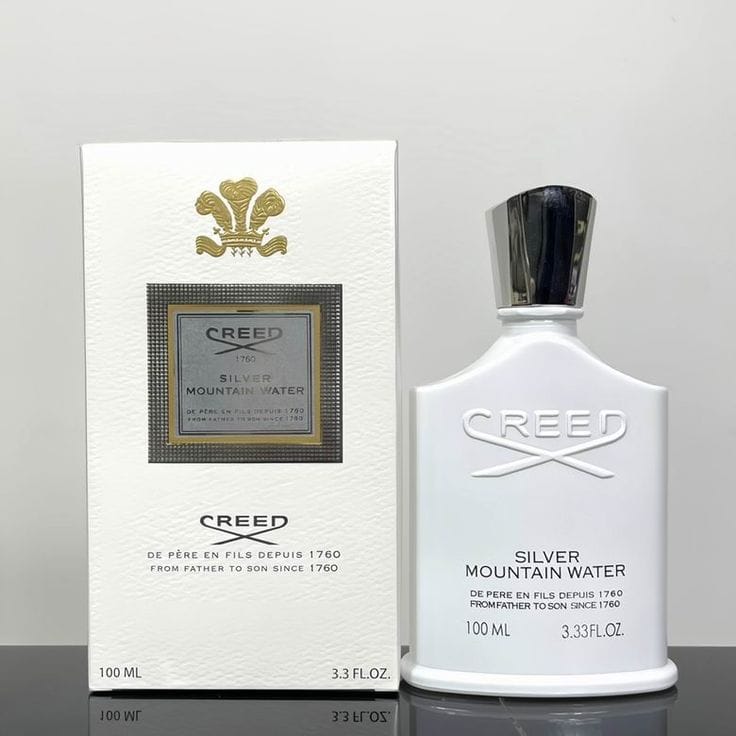
Inspired by fresh mountain air and clean waters, this fragrance features:
Silver Mountain Water is admired for its fresh and crisp profile that lasts throughout the day.
These perfumes illustrate how Creed blends freshness, complexity, and depth—qualities often absent in standard designer fragrances.
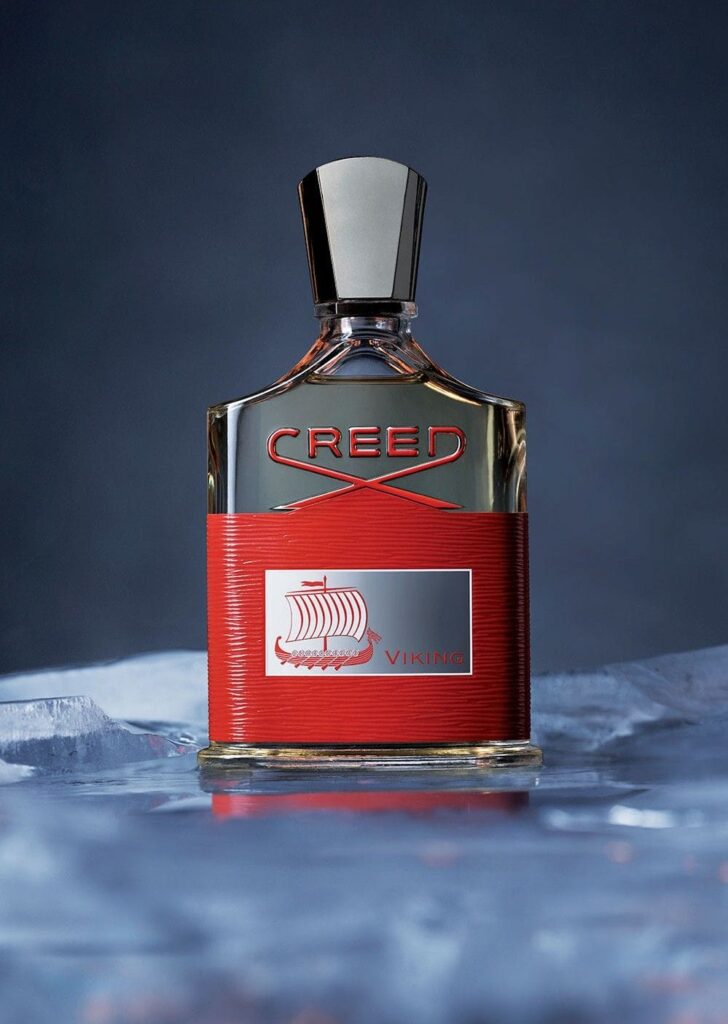
Performance is another key factor. Creed fragrances are known for excellent longevity and strong yet balanced sillage (the scent trail left behind).
Luxury perfumes are expected to evolve and stay noticeable over long periods. Creed’s careful selection of materials and high fragrance concentration typically result in scents that last on skin and clothes for hours, often longer than many mid-range alternatives.
This consistency enhances perceived value and justifies higher pricing in the eyes of many users.
Exclusive branding plays a significant role in Creed’s luxury status. The perception of rarity, heritage, and association with an affluent lifestyle elevates Creed perfumes above mass-market offerings. Limited editions and seasonal releases further enhance exclusivity.
While some premium brands rely heavily on marketing alone, Creed supports its brand image with real history, craftsmanship, and product quality—factors that many fragrance connoisseurs value deeply.
The expense of Creed perfumes encompasses more than just raw materials:
All these elements combine to create a product that goes beyond the scent itself and enters the realm of luxury lifestyle goods.
When compared to typical designer or budget perfumes, Creed fragrances generally have:
While some designer brands offer excellent fragrances, many do so at a price point driven partly by branding and marketing rather than ingredient quality. Creed’s positioning, by contrast, emphasises substance as well as style.
It is important to note that fragrance preference is subjective. Some users find Creed perfumes too strong, too niche, or not suited to personal taste. Additionally, a higher price does not guarantee universal appeal. In fragrance communities, debates about the value of Creed fragrances are common, reflecting personal differences in scent preference, skin chemistry, and lifestyle.
The value of Creed perfumes depends on individual priorities:
The higher cost of Creed products reflects a combination of tradition, artisanal production, rare materials, and brand positioning rather than a simple markup.
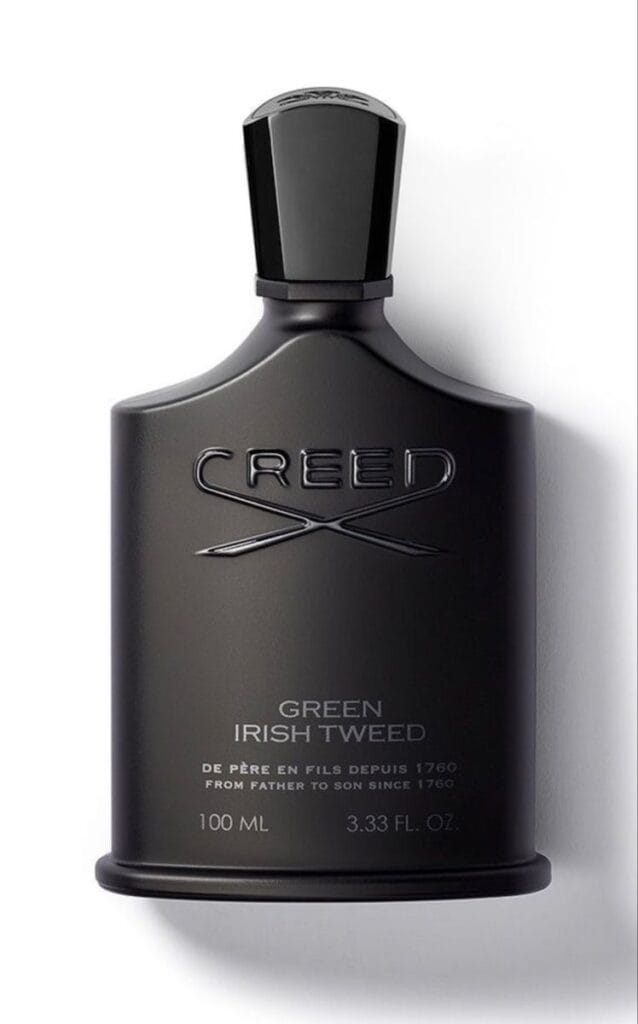
Creed’s enduring reputation in luxury perfumery is the result of centuries of heritage, meticulous craftsmanship, rare raw materials, and unique scent compositions. These elements, combined with strong performance and exclusivity, explain why Creed perfumes are so expensive and why they continue to command respect among fragrance lovers.
Whether considered a worthwhile investment depends on fragrance goals and personal taste. For many, Creed remains an aspirational scent house that successfully blends tradition with contemporary appeal.