Physical Address
304 North Cardinal St.
Dorchester Center, MA 02124
Physical Address
304 North Cardinal St.
Dorchester Center, MA 02124

The field of fashion design draws numerous students who want to pursue this artistic career path. Students must first learn about fashion designer course fees before making their choice about this career path. Educational institutions charge different tuition rates based on the specific courses they offer and the facilities they have.
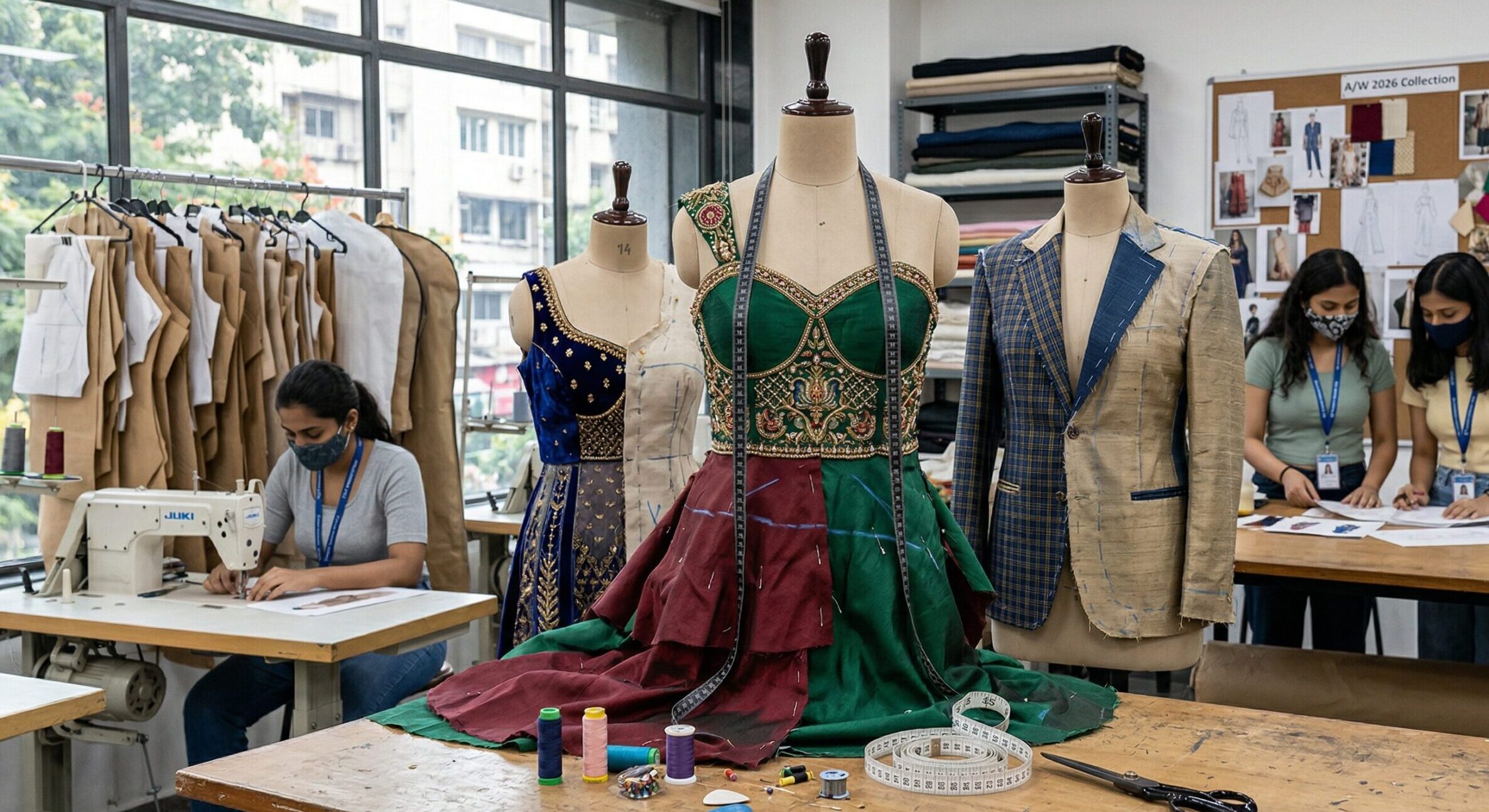
The guide provides complete details about the fee structure which shows all course levels and top institutes and extra costs that students must pay.
The term fashion designer course fees refers to the total cost required to complete a fashion designing program. The program includes all costs which students must pay for their tuition and practical work and materials and accommodation costs which are sometimes included.
In India, fees can vary widely based on:
The average fee range starts from ₹500 and extends to ₹50,00,000 because different course levels exist at various institutes.
The fashion designer course fees differ significantly depending on the type of program.
Certificate courses are short-term and affordable.
Fee Range:
₹500 – ₹50,000
Duration:
3 months to 1 year
These courses provide suitable learning opportunities for people who want to learn new skills during their free time.
Diploma courses focus on practical skills and industry basics.
Fee Range:
₹10,000 – ₹3,00,000
Duration:
1 to 2 years
Private organizations set their own price standards based on the amenities they provide to their customers.
The most common choice for students is degree programs.
Fee Range:
₹50,000 – ₹3,00,000 (average)
Premium institutes can charge ₹8,00,000 to ₹50,00,000
Duration: 3 to 4 years
These courses provide in-depth knowledge and better career opportunities.
Advanced programs are designed for specialization.
Fee Range: ₹50,000 – ₹5,00,000
Duration: 2 years
These courses are suitable for career advancement.
Online courses provide affordable educational options which allow students to study at their convenience.
Fee Range:
₹500 – ₹10,000
These programs suit both beginning students and people who need to work.
Fashion designer course fees depend on the type of educational institution that students choose.
Government Colleges:
Government institutes charge lower tuition fees than private institutions which provide enhanced educational resources.
National Institute of Fashion Technology (NIFT)
NIFT stands as one of the most esteemed educational institutions in India.
Total course fee: around ₹14,09,400 for BDes
Per year: approx. ₹2–3 lakh
The private institution is recognized as a reputable educational establishment.
Fees: around ₹6,00,000 – ₹8,00,000+ depending on campus
MIT Institute of Design (Pune)
Total cost: approx. ₹6,72,000 including additional expenses
Other Institutes
Many institutes offer affordable options:

Fashion designer course tuition includes additional fees which must be paid by students.
The total budget needs these expenses for accurate planning.
The fashion designer course fees depend on multiple factors which include
Institutes with high reputation charge expensive tuition fees because of their recognized brand name.
Degree programs charge higher tuition fees compared to diploma programs and certificate programs.
3. Facilities
Institutes with advanced labs and studios charge higher fees.
4. Location
Colleges in metro cities are usually more expensive.
Institutes offering placements may have higher fees
The cost of fashion design in India varies because people have different spending patterns.
The most affordable option is government colleges. The mid-range option involves diploma institutes. The most expensive option consists of private design schools.
Students can choose based to their financial capacity and their career objectives.
Many institutes offer scholarships to reduce fashion designer course fees.
Types of Scholarships:’
These options make fashion education more accessible.
Fashion designer course fees require understanding ROI as an essential element for assessment.
Benefits:
Creative career opportunities
Scope for entrepreneurship
Growing industry demand
Designers achieve investment recovery through their skills and experience which enable them to earn income.
The process of choosing results in better value for money.
The fashion industry experiences growth because of three factors which include:
The growth of this industry creates a valuable opportunity to invest in fashion designer courses.
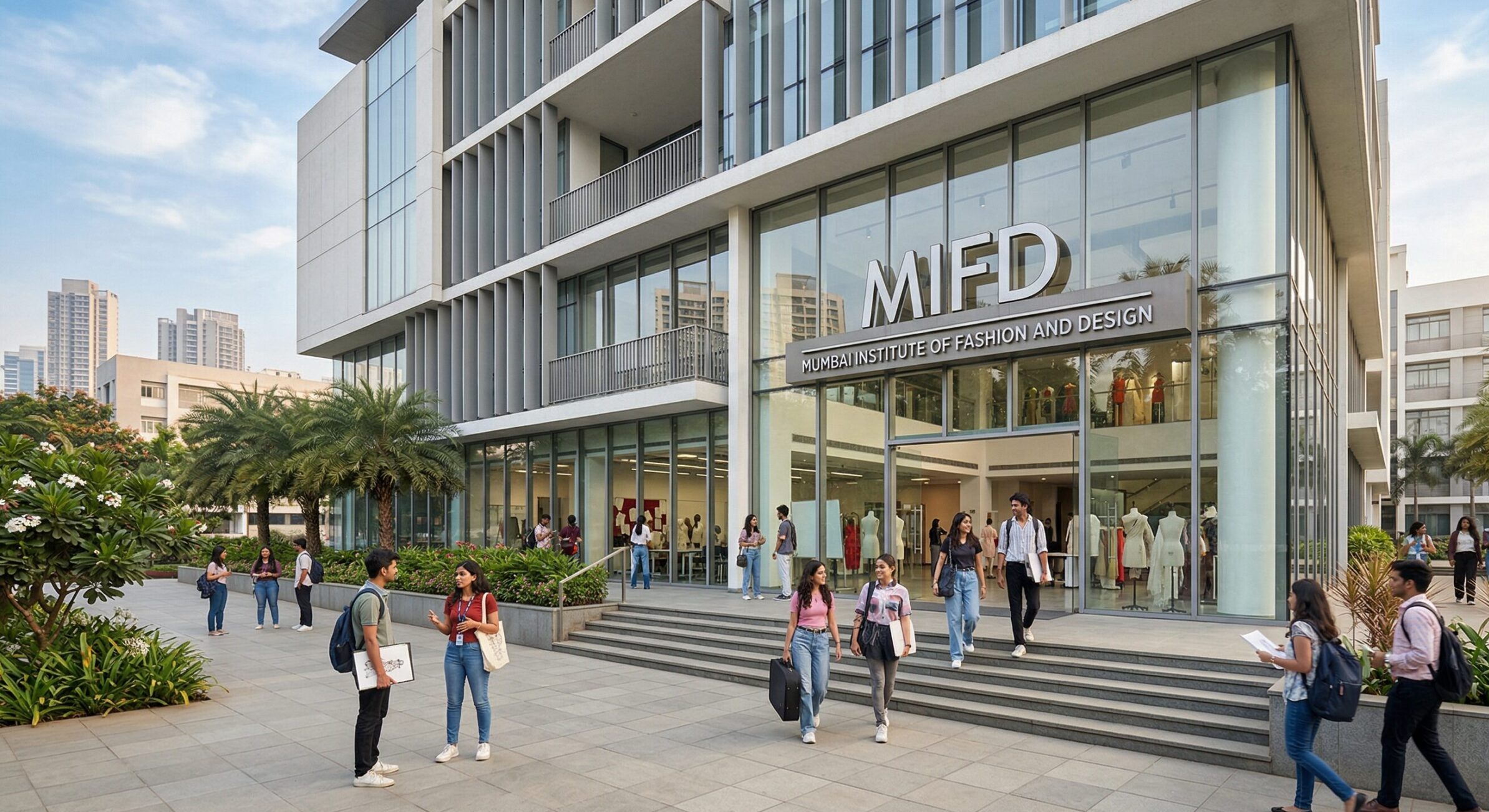
Understanding fashion designer course fees helps in making informed decisions about education and career planning. The costs of courses differ significantly based on the type of course and the educational institution and their available resources.
The educational system provides accessible options which range from affordable government colleges to premium private institutes for every budget. The right choice with dedication leads to successful and rewarding career outcomes in fashion designing.