Physical Address
304 North Cardinal St.
Dorchester Center, MA 02124
Physical Address
304 North Cardinal St.
Dorchester Center, MA 02124

The traditional Indian bridal jewellery collection embodies more than mere decorative purpose. The collection contains pieces that reveal their heritage through their cultural rituals which display the beauty standards of their ancestral Indian heritage. The Matha Patti stands out among the various components of solah shringar because it creates strong visual impact which connects with deep emotional meaning.
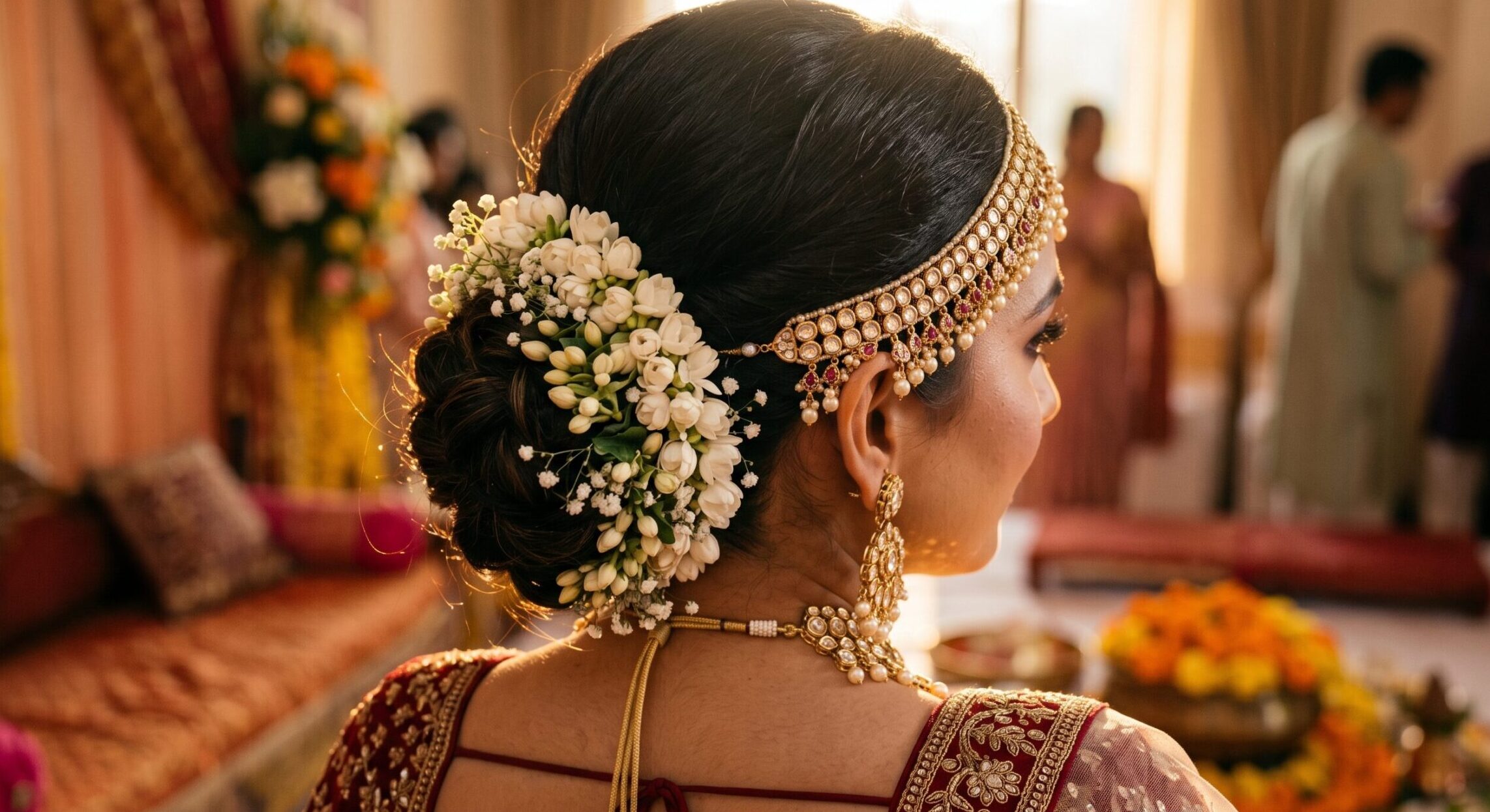
The head piece which appears on brides who walk through flower-filled aisles and on dancers who perform classical dance shows exists as an essential element that people must notice. Yet, for many, there are still questions: What exactly is it? How is it different from a maang tikka? And how does one wear it without it sliding off mid-ceremony? This guide answers all of that — and more.
The Matha Patti functions as a traditional Indian forehead ornament which uses two Hindi words to create its name. The maang tikka functions as a single pendant which hangs from a chain that sits on a hair center parting while the head piece creates a complete body of design. The design operates as a forehead accessory which extends toward the sides of the head to create a crown shape which encloses the whole face. The maang tikka functions as a full stop for a sentence while the Matha Patti serves as the complete sentence.
The Indian cultural tradition maintains the head piece as a sacred object which brings couples marital happiness and financial success. The Matha Patti creates an emotional moment for brides who wear it because it signifies their entrance into marriage. The complex patterns of the designs display various design elements which include flowers and leaves and peacocks which all possess their distinct cultural and symbolic interpretations.
The Matha Patti was traditionally used by brides and royal women throughout its historical existence. It has now become a popular fashion choice which people wear to weddings and sangeets and mehndi events and festive occasions and contemporary artists who seek to combine traditional and modern styles.
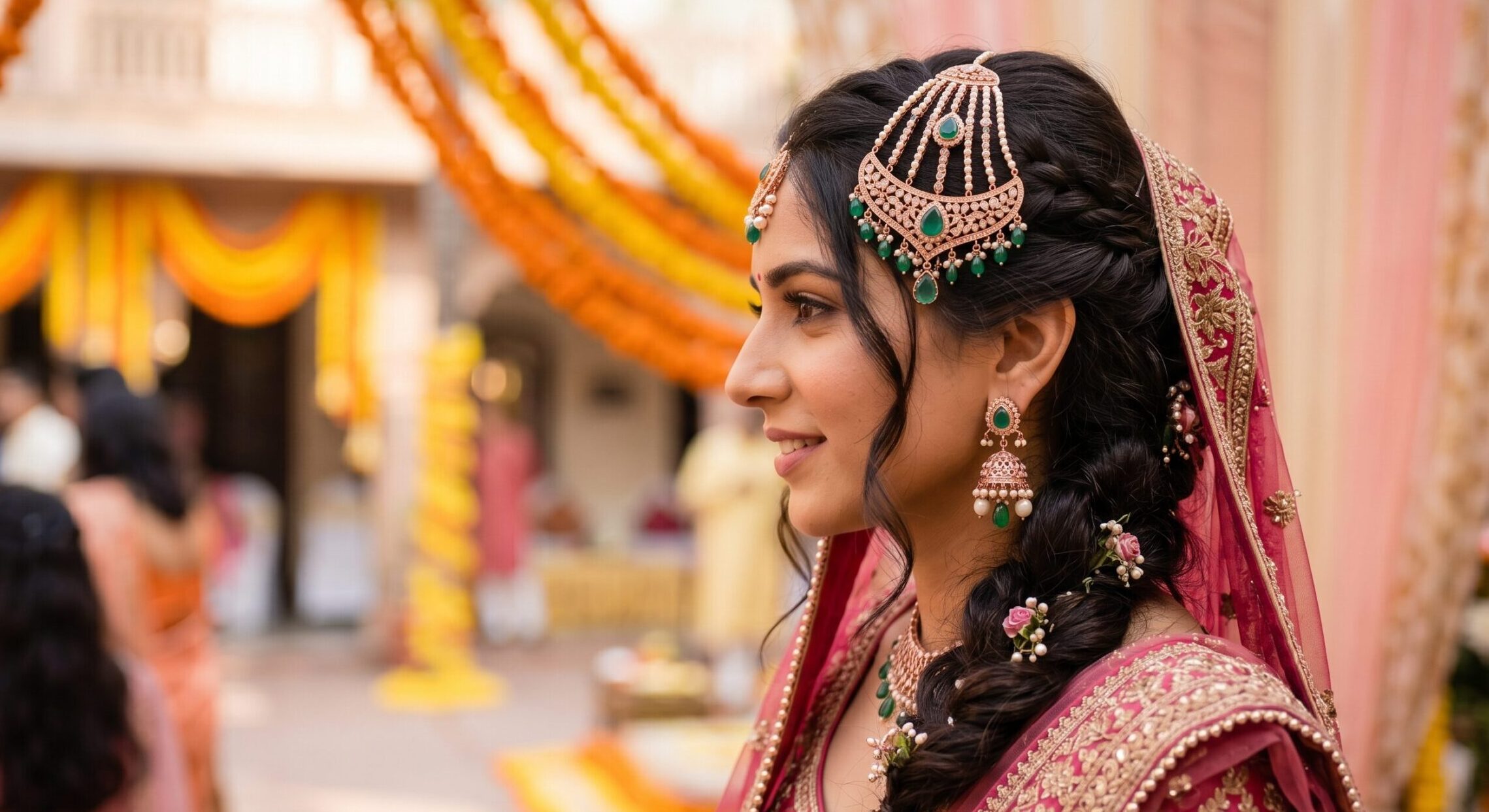
The Matha Patti comes in various designs which differ from each other. The extensive design options available require users to select their preferred design based on three factors which include specific events and their clothing choice and personal characteristics.
The most traditional style consists of a wide decorative band which extends from one temple to the opposite temple across the forehead. The design works best with heavy bridal lehengas and opulent wedding ceremonies because it uses gold and kundan and polki and gemstone decorations. The head ornaments which feature bold polki and classic kundan and elegant crystal and pearl embedded in gold create stunning beauty which complements the complete wedding appearance.
The single-chain style offers Rajasthani Borla wearers a lightweight option which maintains a minimalistic appearance. The spherical maang tikka functions as a traditional Marwari ornament which features Meenakari design elements and diamond or stone tassels that hang down from its sides and an intricate maang tikka at the centre. The design achieves an elegant aesthetic that matches the bridal jewellery because the bridal jewellery design already contains substantial weight.
The jhoomar-style Matha Patti creates an asymmetrical design which appeals to brides who want an editorial appearance through its head design. The one-sided Matha Patti typically has a teardrop stone or a pearl placed in the middle of the tikka. It’s an ideal pick for highlighting only one side of the head with jewellery. This style pairs beautifully with open, side-swept hairstyles or low buns.
This style represents the ultimate choice for individuals who appreciate the lavishness of Mughal-era fashion. The bridal Matha Patti with its multiple layers of uncut diamonds and pearls and goldwork enables the wearer to display royal qualities. The combination of a velvet lehenga and kohl-rimmed eyes creates an appearance that suits both formal receptions and traditional events.
This style originates from South Indian aesthetics and displays goddess motifs which include rubies and emeralds that draw inspiration from ancient temple jewellery. The outfit matches perfectly with silk Kanjivaram sarees which serve as essential attire for South Indian weddings and classical dance shows.
Brides who want to break away from traditional norms can achieve their desired look through statement Matha Pattis which feature floral or leaf designs along with colored gemstones and decorative tassels. The large tikka in the centre adds elegance to the overall appearance, making the bride the centre of all attention.
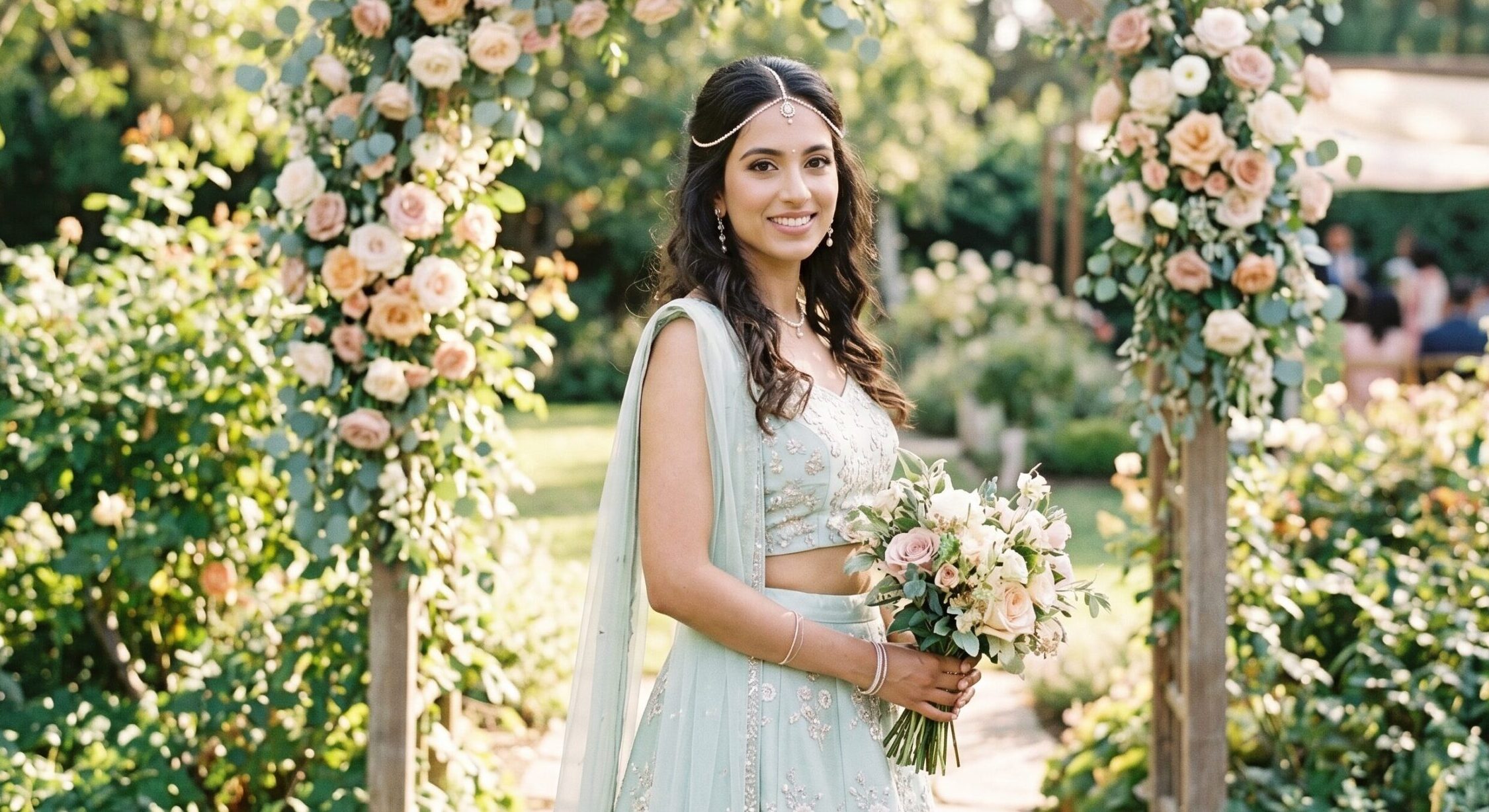
Choosing the correct Matha Patti needs equal emphasis to proper Matha Patti usage. A poorly secured piece can slip during the ceremony, cause discomfort, or pull at the hair. Here is a practical, step-by-step approach to wearing it well.
Step 1: Prepare the Hair First
The selected hairstyle will determine how the Matha Patti will be positioned on the head. The best way to secure the piece requires consultation with both a hairstylist and a jewellery designer. Braids, buns, and half-up styles all work well. Open hair with soft waves can also carry the piece beautifully, especially for lighter, modern designs.
Step 2: Part the Hair
The process begins with hair separation into two parts. The first step to wear Matha Patti properly requires you to create a middle hair partition. The Matha Patti center chain must be positioned on the hair partition which connects to the forehead.
Step 3: Secure the Centre Pendant
The central pendant or tikka should rest at the hairline, not too high up on the forehead and not too low. The object should rest between eyebrow and hairline position which marks the beginning of hair growth.
Step 4: Fasten the Side Chains
The chain ends must be secured behind the ears with bobby pins which will create a comfortable fit. The side chains require adjustment to create an attractive facial frame. The head piece becomes more secure for people who wear heavier ones through the use of small hooks or clips which hair stylists create by weaving them into the hair at the temples.
Step 5: Check the Hairline Drape
The Matha Patti requires a tidy appearance across the hairline because it needs to create an elegant forehead drape. The chains need to be adjusted until they achieve proper placement before starting to set the hair.
Step 6: Final Pins and Lock-In
The piece requires positioning together with the additional bobby pins which match its metal components to create a secure bond. The head piece must provide enough security to withstand the complete duration of ceremonial activities which include dancing and taking pictures.
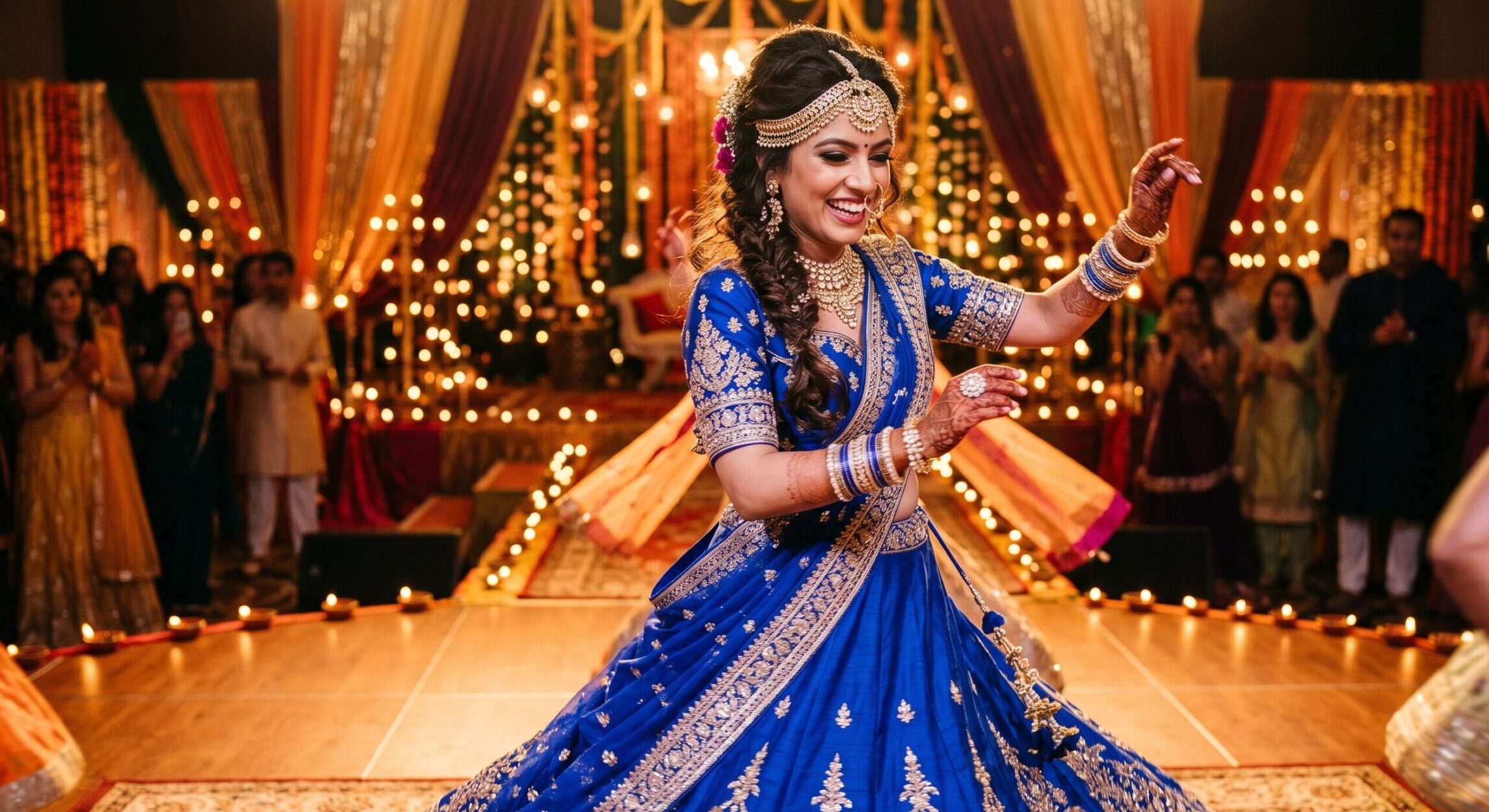
The selection of an appropriate head piece serves as the initial step for achieving success. The combination of all elements in the outfit creates an equal level of importance with each dressing method.
The outfit requires a basic head piece design when it contains extensive decorative elements. The outfit will benefit from a bold Matha Patti design which contains detailed embellishments when it needs additional visual impact.
A traditional appearance requires you to wear a full gold or polki head piece which follows traditional designs with heavy silk sarees or deep-hued bridal lehengas.
Even a classic bun with flowers or a jhoomar will create a stunning, regal finish. The Matha Patti can be modernized through different hairstyles.
The Matha Patti is not just a bridal piece. The piece can be used for different festive occasions and special events after the wedding. It brings a glamorous touch to every outfit when worn with traditional Indian attire that includes sarees and lehengas and salwar suits.
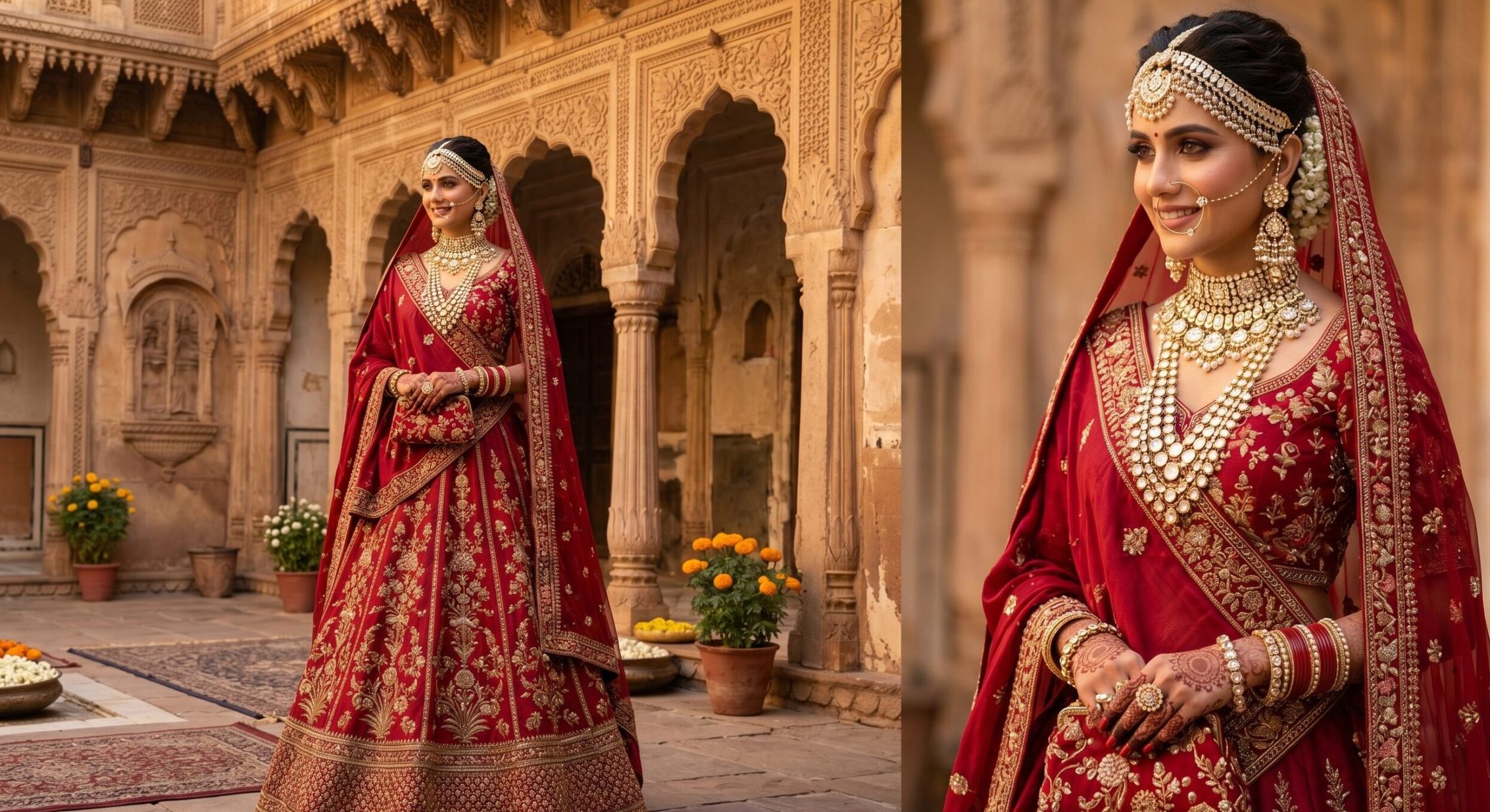
This head piece exists as a jewellery item which functions as portable poetry because it enables women to connect with their wedding history through its use. The right way to wear it brings complete transformation to any appearance. The appearance reaches its highest level of excellence through this process.