Physical Address
304 North Cardinal St.
Dorchester Center, MA 02124
Physical Address
304 North Cardinal St.
Dorchester Center, MA 02124

Perfumes behave differently depending on temperature, humidity, and cold air. What can be refreshing in summer could be too overpowering in winter. Similarly, what smells wonderful in winter can taste too heavy during the warmest months of the year. Understanding the difference between Summer vs Winter Perfumes allows consumers to select a fragrance that provides them with comfort, longevity, and suitability during all the seasons.
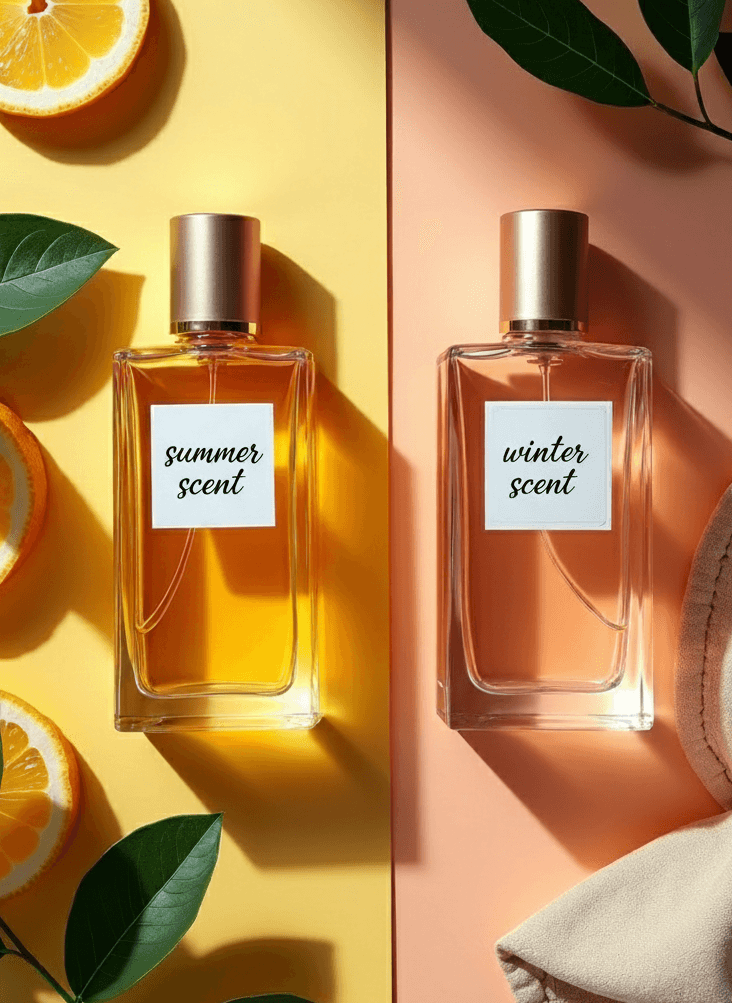
When temperature changes occur, so does the rate at which the fragrance evaporates into the atmosphere and projects onto your body. Heat creates a warmer environment that highlights certain scent notes, which gives the scent the appearance of being prominent to a greater degree than would occur normally.
Cold air slows down the rate of evaporation and lowers the level of projection with every breath taken during a cold season/situation. Thus, a single fragrance could have an entirely different aroma from season to season.
Understanding the distinctions between Summer vs Winter Perfumes enables perfume users to avoid wearing a fragrance that could become overwhelming or faint in quantity during different temperature extremes.
Summer is generally associated with heat and humidity; many areas of the tropics are subjected to heat and humidity year-round. Due to these conditions, many perfumes are able to evaporate quickly and have greater projection capability than would be expected in other environmental conditions.
Best Characteristics of Summer Perfumes
Common Summer Fragrance Notes
These notes feel refreshing and breathable, making them ideal for hot weather.
Winter weather is cooler and drier. Fragrances evaporate slowly, allowing deeper notes to develop fully. This makes winter the perfect season for rich and warm scents.
Best Characteristics of Winter Perfumes
Common Winter Fragrance Notes
These notes feel cozy and luxurious in colder temperatures.
1. Intensity
2. Longevity
3. Projection
4. Mood
These contrasts highlight the importance of choosing perfumes season-wise.
When selecting a summer fragrance, freshness should be the priority.
Tips for Summer Selection
Office settings, daytime outings, and travel all benefit from light summer fragrances.
Winter allows more freedom to explore bold and intense scents.
Tips for Winter Selection
Winter perfumes often feel more luxurious and expressive.
Summer Day
Summer Night
Winter Day
Winter Night
This approach adds balance while following Summer vs Winter Perfumes logic.
Perfume strength plays an important role in seasonal performance.
Choosing the right concentration enhances comfort and longevity.
Over-spraying in summer can cause discomfort, while under-spraying in winter may reduce presence.
Avoiding these mistakes improves fragrance experience significantly.
Some fragrances are versatile and balanced enough for year-round use. These usually include:
However, dedicated seasonal perfumes always perform better. Understanding Summer vs Winter Perfumes helps decide when to rotate fragrances instead of relying on one bottle.
Proper storage maintains fragrance quality throughout the year.
A well-rounded fragrance collection usually includes:
This approach ensures the right scent for every weather condition.
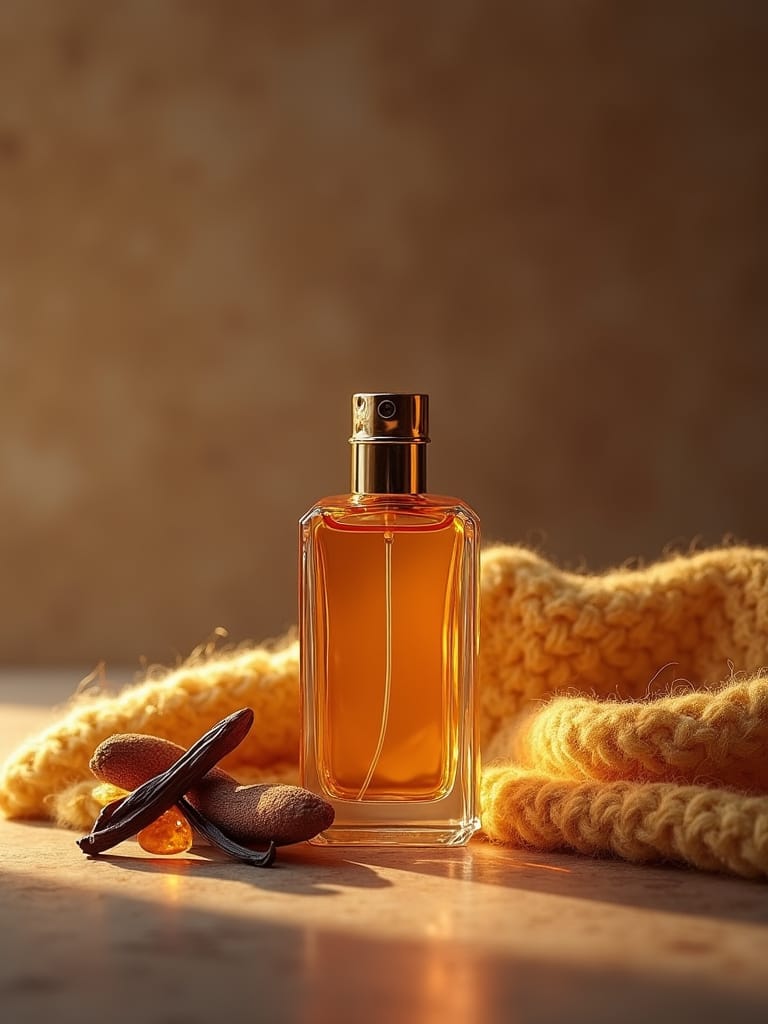
Weather and climate influence people’s perfume choices greatly- and without considering these two things when choosing perfume people may not feel comfortable or able to wear their fragrance at its highest performance level. Knowing the difference between summer vs winter perfumes can give consumers an advantage in making more suitable choices when selecting the proper fragrance for different seasons of the year.
Choosing seasonally appropriate fragrances will create a refreshing effect in summer and a warming effect in winter, thereby creating a sense of balance, self-confidence, elegance and sophistication all year round.