Physical Address
304 North Cardinal St.
Dorchester Center, MA 02124
Physical Address
304 North Cardinal St.
Dorchester Center, MA 02124

Fragrance routines have become an essential part of everyday grooming, but many consumers still remain unsure about the true difference between deodorant and perfume. Both belong to the world of fragrances, yet they serve entirely different purposes. This detailed and well-researched guide explains how each product works, their ingredients, benefits, longevity, and how individuals can choose the right option based on lifestyle, skin type, and preferences.
Understanding the difference between deodorant and perfume also helps in making informed decisions, preventing common mistakes such as expecting a perfume to control sweat or hoping a deodorant will last like a luxury fragrance. With growing choices in the beauty and personal-care industry, clarity is more important than ever.
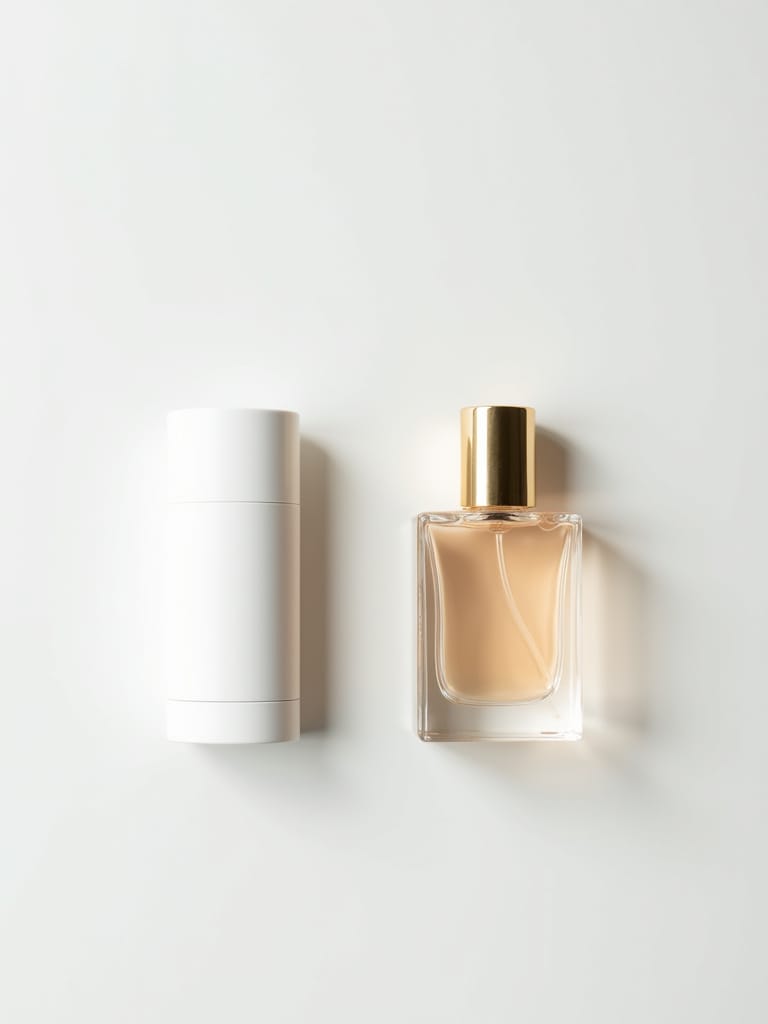
The primary difference between deodorant and perfume lies in their purpose.
Deodorant
Deodorant is formulated to prevent body odour caused by bacterial activity on sweat. Human sweat is naturally odourless, but when it mixes with bacteria, an unpleasant smell is produced. Deodorants tackle this issue in two ways:
Some deodorants also contain antiperspirant ingredients such as aluminium compounds. These help reduce sweating by temporarily blocking the sweat glands.
Perfume
Perfume, on the other hand, is designed purely to provide fragrance. The goal is to enhance personal scent, create a lasting aromatic impression, and complement an individual’s style or mood. Perfume does not stop sweating or reduce bacteria; it only adds fragrance to the skin or clothing.
This functional difference is among the most important points when understanding the difference between deodorant and perfume.
Ingredients highlight another clear difference between deodorant and perfume.
Deodorant Ingredients
Most deodorants include antibacterial agents, skincare-friendly ingredients, and sometimes antiperspirant compounds. Common components include:
Because deodorants are applied to a sensitive part of the body—the underarms—they are regulated to ensure safety in daily use.
Perfume Ingredients
Perfume is typically a blend of:
Perfumes are categorised by their fragrance concentration. Higher concentration means a stronger and longer-lasting scent. These include:
The ingredient list clearly shows a fundamental difference between deodorant and perfume in terms of composition and purpose.
Longevity is one of the most noticeable aspects in the difference between deodorant and perfume.
Deodorant Longevity
Deodorant typically lasts between 4 to 8 hours depending on:
Deodorants work best when applied on clean, dry skin. However, since they target odour production, their longevity depends on daily activities more than external elements.
Perfume Longevity
Perfume longevity is influenced by concentration and skin type. Higher concentration perfumes like Parfum or Eau de Parfum can last 8 to 12 hours or more. Eau de Toilette and lighter mists may last 2 to 6 hours.
Perfumes cling to pulse points such as the wrists, behind the ears, and collarbones, where body heat naturally diffuses fragrance throughout the day.
Understanding this duration-based difference between deodorant and perfume helps users layer products effectively for better freshness.
Another practical difference between deodorant and perfume relates to application areas.
Deodorant Application
Deodorant is specifically created for the underarms. It must not be applied on clothing because the ingredients, especially antiperspirant salts, may stain fabrics. Roll-ons, sticks, sprays, and creams are common formats.
Perfume Application
Perfume is applied on pulse points, clothing, or hair (when suitable). Some perfumes may irritate sensitive areas, so underarm application is not recommended.
This makes the difference between deodorant and perfume very important for safe and effective use.
Both categories come in multiple formats, and understanding these helps consumers choose based on convenience.
Deodorant Formats
Each format serves different skin types. For instance, those with sensitive skin may prefer cream or balm deodorants.
Perfume Formats
The format enhances personal style, making the experience more refined.
This variety also contributes to user confusion, making it essential to know the difference between deodorant and perfume.
Because formulations differ, the way each product affects the skin also differs.
Deodorant Considerations
Deodorants may cause irritation if the formula contains harsh alcohols or high levels of baking soda. Antiperspirants with aluminium may not suit every skin type. Dermatologists often recommend patch-testing new products.
Perfume Considerations
Perfumes contain fragrance oils that may cause sensitivity on certain skin types. Applying perfumes to fabric is a safe alternative for those prone to irritation.
Here again, the difference between deodorant and perfume plays a major role in choosing the right product for daily use.
A noticeable difference between deodorant and perfume also lies in pricing.
Deodorant Pricing
Deodorants are generally more affordable because their formulations use low-cost ingredients. Daily use makes affordability an important factor.
Perfume Pricing
Perfumes vary widely in price based on concentration, brand, and rarity of ingredients. Luxury perfumes may even use rare flowers or complex extraction processes.
The pricing difference reflects the unique purpose and formulation of each product.
When building a personal fragrance routine, understanding the difference between deodorant and perfume helps in layering.
Individuals often use both together for maximum freshness and impact.
Choosing between deodorant and perfume depends on several factors:
This comprehensive understanding clarifies the difference between deodorant and perfume and supports smart choices.
Many individuals wonder whether using both products together is appropriate. The answer is yes. Deodorant keeps the underarms fresh and odour-free, while perfume adds a pleasant scent to other parts of the body. Using both creates a balanced fragrance routine.
The difference between deodorant and perfume lies in purpose, ingredients, longevity, application, and cost. Deodorants are created to combat body odour and regulate sweat, while perfumes enhance personal scent and style. Understanding these distinctions helps individuals pick suitable products for daily freshness, confidence, and comfort.